
How to Choose the Right Thickness Without Costly Mistakes
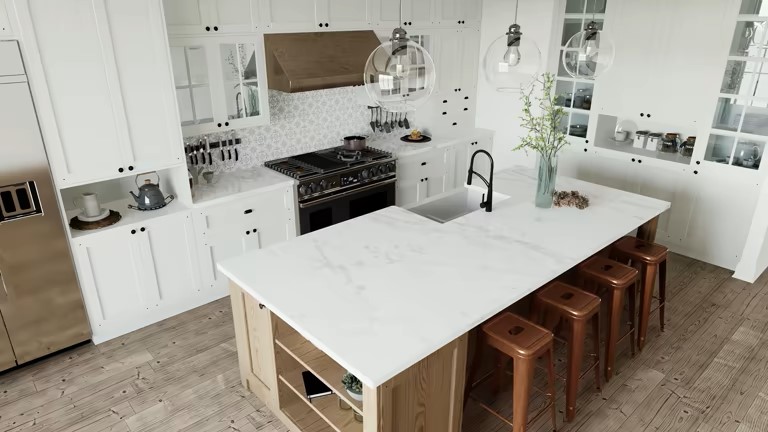
Choosing the wrong countertop thickness doesn’t just affect appearance—it can increase your project cost, complicate installation, and create long-term durability issues.
This guide helps you compare thin stone countertops and thick stone kitchen countertops based on real project conditions—not just theory.
→ Get the Right Recommendation for Your Project
Tell us your application, and we’ll suggest the ideal thickness (6mm / 12mm / 20mm)
QUICK DECISION SNAPSHOT
If you need a fast answer:
For cost efficiency and easier installation → choose thin stone countertops
For premium look and visual impact → choose thick stone countertops
For large-scale or export projects → thin is usually more practical
For luxury kitchens or statement islands → thick is often preferred
Still unsure?
→ Tell us your project—we’ll recommend the most cost-effective option
WHAT REALLY MATTERS (NOT JUST THICKNESS)
Most buyers think this is a simple size choice. It’s not.
The right thickness depends on how your project performs in the real world:
Budget Impact
Thin slabs use less material and reduce total cost—not just per slab, but across the project.
Structural Load
Thicker countertops are heavier and may require stronger cabinetry or reinforcement.
Installation Complexity
Thin slabs install faster but require proper support. Thick slabs are more forgiving but harder to handle.
Transport & Logistics
For international orders, thickness directly affects freight cost, breakage risk, and handling efficiency.
→ Choosing thickness is really about balancing cost, risk, and design goals
WHAT THICKNESS REALLY COSTS
Most suppliers only quote slab prices. That’s not the full picture.
Thin Stone Countertops
Lower material usage
Reduced shipping weight
Faster installation
Lower labor cost
Thick Stone Countertops
Higher material consumption
Increased freight cost (especially for export)
More handling and installation effort
Key Insight
Thickness can change your total project cost by 15–40%, especially in bulk orders or international shipping.
WHEN THINGS GO WRONG (AND HOW TO AVOID IT)
Most problems don’t come from the material—they come from wrong decisions.
Thin Countertops Can Fail When:
Installed without proper substrate support
Fabrication or installation is poorly handled
Low-quality slabs are used
Thick Countertops Can Fail When:
Damaged during transport due to weight
Cabinetry cannot support the load
Budget overruns force last-minute changes
→ These issues are avoidable with the right specification from the start
WHICH ONE IS RIGHT FOR YOUR PROJECT?
Instead of guessing, match your project type:
Choose Thin Stone Countertops If You Are:
Developing apartments or multi-unit projects
Working with tight budgets
Managing international shipments
Renovating over existing surfaces
Prioritizing speed and efficiency
Choose Thick Stone Countertops If You Are:
Designing luxury residential kitchens
Creating high-end visual impact (waterfall islands, statement pieces)
Working in markets where “heavier = premium” perception matters
Less sensitive to cost and logistics
INDUSTRY INSIGHT (WHAT PROFESSIONALS ARE DOING)
Across many markets, especially in large-scale developments:
Thin sintered stone is increasingly used for cost control and logistics efficiency
Contractors prefer thinner slabs for faster installation
Developers choose thinner options to reduce shipping and handling risks
At the same time:
Thick countertops remain popular in luxury and high-end residential projects
Designers use thickness to create visual weight and premium positioning
→ The trend is not “thin vs thick”—it’s using the right thickness for the right scenario
AVAILABLE OPTIONS
We supply sintered stone slabs in multiple thicknesses:
6mm – Lightweight applications, wall cladding, overlays
12mm – Most popular for countertops (balance of strength and cost)
20mm – Premium look and heavier applications
Available in:
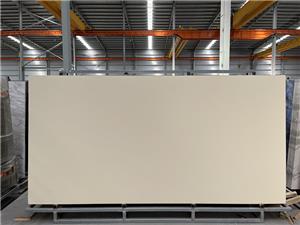
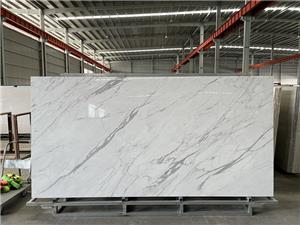
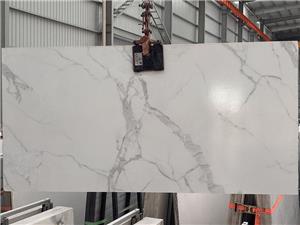
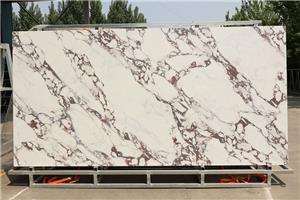
Marble-look finishes
Solid colors
Matte and polished surfaces
FINAL DECISION SUPPORT
Choosing the right thickness is not just about design.
It affects:
Your total cost
Installation efficiency
Long-term performance
Project risk
A small decision here can have a large impact across your entire project.
Let’s Help You Choose the Right Option
Tell us:
Your project type
Application (kitchen, commercial, etc.)
Quantity or size
We’ll recommend the most suitable thickness—and help you avoid unnecessary cost or risk