
Kitchen Countertop Performance: What Homeowners Should Know
When choosing kitchen countertops, appearance often gets the most attention—but performance is what determines whether a surface will still look and function well years later. Heat, scratches, stains, sunlight, and daily wear all place constant stress on kitchen countertops.
This guide explains the key performance factors homeowners should understand, how common materials compare, and why modern surfaces like sintered stone are increasingly chosen for high-performance kitchens.
The Big 5 Kitchen Countertop Performance Factors
Understanding these five factors is essential when evaluating the performance of kitchen countertops.
1. Heat Resistance
Kitchen countertops are exposed to hot cookware, appliances, and sudden temperature changes. Materials with poor heat resistance may scorch, crack, or discolor.
Heat resistant kitchen countertops are especially important for:
Frequent cooking
Open-plan kitchens
Professional or semi-professional use
2. Scratch Resistance
Knives, cookware, and daily use can leave visible marks over time. Scratch resistant kitchen countertops maintain their appearance longer and require fewer repairs.
3. Stain Resistance
Food spills, oils, wine, and acidic ingredients are common in kitchens. Surfaces that absorb liquids are more prone to staining and hygiene concerns.
4. UV Resistance
In kitchens with large windows or outdoor exposure, UV stability matters. Some materials fade or yellow when exposed to sunlight over time.
5. Daily Wear & Impact
Beyond individual incidents, countertops must withstand continuous use—cleaning, movement, pressure, and contact with heavy objects.
High-performance countertops balance strength, stability, and long-term durability.
How Different Kitchen Countertop Materials Perform
Not all kitchen countertop materials perform equally under real-world conditions.
Natural Stones (Granite & Marble)
Natural stone offers unique beauty but varies widely in performance.
Heat: Generally good
Scratches: Marble scratches easily
Stains: Porous, requires sealing
Maintenance: High
Marble, in particular, is more suitable for low-use kitchens or homeowners willing to accept patina.
Quartz (Engineered Stone)
Quartz countertops are popular for their consistency and low porosity.
Heat: Moderate (can discolor or crack under high heat)
Scratches: Good resistance
UV: Limited UV stability
Maintenance: Low
Quartz performs well in controlled environments but has limitations in high-heat or sun-exposed kitchens.
Porcelain
Porcelain slabs offer improved durability and low porosity.
Heat: Excellent
Stains: Very resistant
Thickness: Often thinner than stone
Use cases: Suitable for modern designs
Sintered Stone
Sintered stone represents one of the highest-performing kitchen countertop surfaces available today.
Heat: Excellent
Scratches: High resistance
Stains: Non-porous
UV: Fully UV stable
Maintenance: Very low
Because of its balanced performance, sintered stone is increasingly specified for demanding kitchen environments.
Performance in Real Kitchens
Performance requirements vary depending on how the kitchen is used.
Family Kitchens
Busy households need low maintenance kitchen countertops that resist spills, scratches, and daily wear. Durability and easy cleaning are top priorities.
Professional & Serious Home Chefs
High heat, sharp tools, and constant use demand surfaces that won’t fail under pressure. Heat and scratch resistance become critical.
Entertaining & Open-Plan Kitchens
Aesthetics matter, but surfaces must also maintain their appearance under frequent use, cleaning, and exposure to light.
In all three scenarios, performance directly affects satisfaction over time.
Why Sintered Stone Shines in Performance
Sintered stone’s performance advantages come from how it is made.
Advanced Factory Process
Natural minerals are compressed under extreme heat and pressure, creating a dense, uniform surface with exceptional strength.
High Surface Density
This density prevents liquid absorption, reduces staining, and improves resistance to scratches and impacts.
Long-Term Resilience
Sintered stone maintains its appearance under:
High heat
Frequent cleaning
UV exposure
Heavy daily use
These characteristics make it one of the most reliable options for performance-driven kitchens.
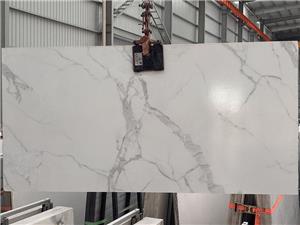
Taj Mahal Sintered Stone: Performance Overview
Taj Mahal sintered stone is a strong example of how performance and design can work together.
Performance Highlights
Excellent heat resistance
High scratch and stain resistance
Non-porous, hygienic surface
UV stable for bright kitchens
Comparison Perspective
Compared to natural marble, Taj Mahal sintered stone offers:
Lower maintenance
Greater durability
Better resistance to everyday kitchen challenges
Compared to quartz, it performs better under heat and sunlight.
Typical Installations
Taj Mahal sintered stone is commonly used for:
Kitchen countertops
Kitchen islands
Waterfall edges
Luxury residential and commercial kitchens
Its marble-inspired appearance makes it especially popular in high-end designs where performance cannot be compromised.
Buyer Signals: Choosing the Right Surface for Your Needs
If you’re asking:
“Which kitchen countertop surface performs best for my needs?”
Use this checklist as a guide:
✔ Handles high heat
✔ Resists scratches and stains
✔ Requires minimal maintenance
✔ Performs well in daily use
✔ Matches your design vision
To explore high-performance options, review our Sintered Stone Kitchen Countertops collection and learn more about the Taj Mahal Sintered Stone Kitchen Countertop in detail.
If you’ve already read material comparisons, this performance perspective helps confirm the right choice.
Next Steps
Performance is what determines whether a kitchen countertop remains beautiful and functional long after installation. Understanding how materials behave in real kitchens allows homeowners to make confident, informed decisions.
Explore performance-driven solutions, request samples, or compare surfaces to find the right fit for your kitchen project.
FAQ: Kitchen Countertop Performance
1. What is the most durable kitchen countertop material?
The most durable kitchen countertop materials are those that resist heat, scratches, stains, and daily wear. Sintered stone is widely considered one of the most durable options because it is non-porous, highly heat resistant, scratch resistant, and UV stable. It performs well in both residential and commercial kitchens with minimal maintenance.
2. Which kitchen countertops are best for heat resistance?
Heat resistant kitchen countertops include sintered stone, porcelain slabs, and some natural stones like granite. Engineered quartz countertops have lower heat tolerance due to resin content, while sintered stone can withstand direct heat exposure without discoloration or damage.
3. Are sintered stone countertops scratch resistant?
Yes. Sintered stone countertops are highly scratch resistant due to their dense surface structure. While no surface is completely scratch-proof, sintered stone performs better than marble and many natural stones in everyday kitchen use.
4. How does sintered stone compare to quartz in performance?
When comparing performance:
Heat: Sintered stone performs better than quartz
UV resistance: Sintered stone is UV stable; quartz may fade
Porosity: Both are non-porous
Maintenance: Both are low maintenance
For kitchens with heavy cooking or natural light, sintered stone often offers better long-term performance.
5. What are the lowest maintenance kitchen countertops?
The lowest maintenance kitchen countertops are non-porous surfaces such as sintered stone and porcelain. These materials do not require sealing, resist staining, and are easy to clean with basic household products.
6. What makes Taj Mahal sintered stone suitable for kitchen countertops?
Taj Mahal sintered stone combines a marble-inspired appearance with strong performance characteristics, including heat resistance, scratch resistance, stain resistance, and low maintenance. It is commonly used for kitchen countertops, islands, and waterfall designs in both residential and commercial projects.