
Sintered Stone vs Porcelain: What’s the Difference and Which Is Better?
Sintered stone and porcelain are both engineered surfaces, but sintered stone offers larger slab sizes, higher structural strength, and greater design flexibility—making it the better choice for furniture, large surfaces, and luxury interiors.
Why This Comparison Matters in 2025
As engineered surfaces replace natural stone, buyers are increasingly asking whether sintered stone or porcelain is the better option.
While both materials share similarities, they serve different project needs—especially when it comes to furniture manufacturing, large-format surfaces, and premium interior design.
What Is Sintered Stone?
Sintered stone is manufactured using:
Natural minerals
Extreme pressure
Very high temperatures
This process replicates natural stone formation in an accelerated, controlled environment.
Key Characteristics
Large-format slab availability
High flexural strength
Zero porosity
Excellent heat, scratch, and chemical resistance
Sintered stone is widely used for furniture, wall cladding, countertops, and architectural surfaces.
What Is Porcelain?
Porcelain slabs are produced from:
Refined clay
Feldspar
Silica
They are fired at high temperatures and are commonly used in flooring and wall tiling.
Key Characteristics
Durable and water-resistant
Generally thinner than sintered stone
Limited slab sizes compared to sintered stone
Excellent for flooring and exterior paving
Sintered Stone vs Porcelain: Side-by-Side Comparison
| Feature | Sintered Stone | Porcelain |
|---|---|---|
| Maximum slab size | Very large format | Medium to large |
| Structural strength | Higher | High |
| Thickness options | 6mm–20mm+ | Typically thinner |
| Furniture suitability | Excellent | Limited |
| Design consistency | High | High |
| Maintenance | Very low | Very low |
| Cost | Premium | Slightly lower |
Which Is Better for Furniture Applications?
For furniture such as:
Dining tables
Coffee tables
Conference tables
Sintered stone is the preferred choice because:
It supports thicker slabs (12–15mm)
It handles edge detailing better
It offers greater resistance to impact
Porcelain is more commonly used for tiles or lightweight applications.
Which Is Better for Large Surfaces?
Large-format applications such as:
Feature walls
Reception desks
Seamless countertops
Benefit from sintered stone, due to:
Larger slab dimensions
Fewer joints
Higher load-bearing capacity
Aesthetic Differences: Sintered Stone vs Porcelain
Sintered stone excels in:
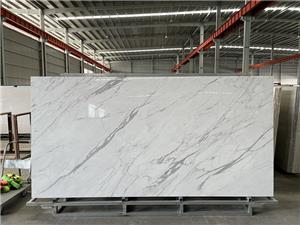
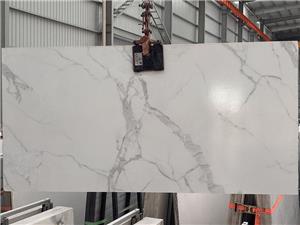
Natural stone realism
Marble and jade-inspired designs
Subtle veining continuity across large slabs
Porcelain tends to offer:
More graphic or repetitive patterns
Limited realism at very large scale
Why Grey Jade Sintered Stone Is the Best Choice
Grey Jade sintered stone combines:
Refined grey tones
Soft jade-like veining
Large-format availability
Furniture-grade thickness options
It delivers the performance of sintered stone with a luxury aesthetic suitable for modern interiors and furniture.
Grey Jade Sintered Stone Slab – Premium Large-Format Surface for Luxury Interiors & Furniture
When Porcelain Might Be the Better Option
Porcelain is ideal when:
Budget is a primary concern
The application is flooring or outdoor paving
Thin, lightweight materials are required
For furniture and premium interior surfaces, sintered stone remains superior.
Final Verdict: Which Should You Choose?
If your project involves:
Furniture manufacturing
Large-format surfaces
High-end interiors
Sintered stone is the better investment.
For flooring or standard wall tiling, porcelain may be sufficient.
Explore the Complete Sintered Stone Guide
To understand slab sizes, thickness options, applications, and sourcing tips:
The Ultimate Guide to Sintered Stone Slabs (2025 Edition)
Looking for premium sintered stone slabs for your next project?
Contact us for:
✔ Samples
✔ Technical specifications
✔ Project pricing
✔ OEM & export support
Visit sinteredstonefactory.com to learn more.