
What Makes a High-Quality Kitchen Countertop Material? A Complete Guide
Choosing the right kitchen countertop material is one of the most important decisions in any kitchen project. From daily cooking and entertaining to long-term durability and design impact, the countertop surface must perform well while maintaining its appearance for years.
This guide explains what defines high-quality kitchen countertops, compares the most common kitchen countertop materials, and highlights why newer surfaces like sintered stone are increasingly specified in modern kitchens. Whether you are a homeowner, designer, or contractor, understanding these factors will help you make a confident, informed choice.
Why Quality Matters in Kitchen Countertops
Kitchen countertops are exposed to more stress than almost any other surface in the home. Heat, moisture, spills, sharp tools, and constant use all take a toll over time. Low-quality materials may look appealing initially, but they often show wear quickly—leading to stains, etching, cracking, or costly replacements.
High-quality kitchen countertops deliver:
Long-term durability
Consistent appearance
Lower maintenance requirements
Better performance under daily use
Investing in the right material upfront reduces problems later and increases the overall value of the kitchen.
What Defines a “High-Quality” Kitchen Countertop?
When evaluating kitchen countertop materials, quality is not defined by appearance alone. The best kitchen countertop materials combine performance, durability, and design.
Durability
A high-quality kitchen countertop should withstand daily use without chipping, cracking, or wearing down. This is especially important for busy households and commercial kitchens.
Heat Resistance
Kitchen countertops must tolerate hot pots, pans, and appliances. Materials with poor heat resistance can scorch, discolor, or crack under thermal shock.
Stain Resistance
Food spills, oils, wine, and acidic ingredients are common in kitchens. High-quality countertops resist absorption and staining, keeping the surface clean and hygienic.
UV Resistance
In kitchens with natural light or outdoor exposure, UV stability matters. Some materials fade or yellow over time, while others maintain consistent color.
Low Maintenance
The best kitchen countertop options require minimal sealing, polishing, or special cleaning products. Low maintenance saves time and reduces long-term costs.
Aesthetics
Finally, quality includes visual appeal. A premium countertop material should maintain its appearance over time and integrate well with different kitchen styles—from modern to classic.
Common Kitchen Countertop Materials
Understanding how different materials perform helps clarify what separates average options from truly high-quality kitchen countertops.
Granite
Granite is a natural stone valued for its strength and unique patterns. However, it is porous and requires regular sealing. Without proper maintenance, granite countertops can stain or harbor bacteria.
Quartz
Quartz countertops are engineered surfaces known for consistency and low porosity. While durable, quartz has limited heat resistance and may discolor when exposed to high temperatures or UV light.
Marble
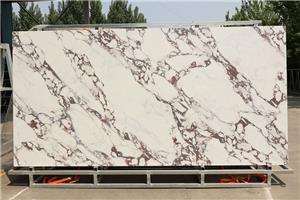
Marble is admired for its elegance, but it is one of the most delicate kitchen countertop materials. It scratches, stains, and etches easily, making it better suited for low-use applications or homeowners willing to accept patina.
Porcelain & Sintered Stone
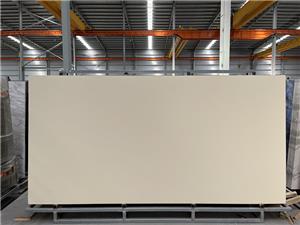
Porcelain and sintered stone represent advanced surface technologies. These materials are manufactured under extreme heat and pressure, producing dense, non-porous slabs with excellent durability, heat resistance, and minimal maintenance requirements.
How Sintered Stone Compares to Other Materials
Sintered stone is increasingly recognized as one of the best kitchen countertop materials for performance-driven projects.
Manufacturing Process
Sintered stone is made by compressing natural minerals and pigments at extremely high temperatures. This process mimics natural stone formation but in a controlled environment, resulting in consistent quality and performance.
Performance Benefits
Key sintered stone benefits include:
Exceptional heat resistance
Near-zero water absorption
High scratch and impact resistance
UV stability
No sealing required
Compared to Natural and Engineered Stone
Vs. natural stone: Sintered stone offers greater consistency, lower porosity, and easier maintenance.
Vs. engineered stone (quartz): Sintered stone performs better under heat and UV exposure and is more suitable for demanding kitchen environments.
Because of these advantages, sintered stone has become a preferred option for high-quality kitchen countertops in both residential and commercial projects.
Taj Mahal Sintered Stone as an Example
Among marble-inspired surfaces, Taj Mahal sintered stone stands out as a strong example of how aesthetics and performance can coexist.
Marble Look + Performance Blend
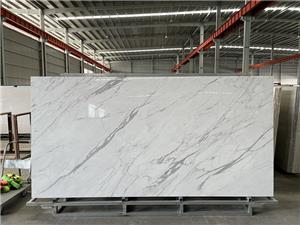
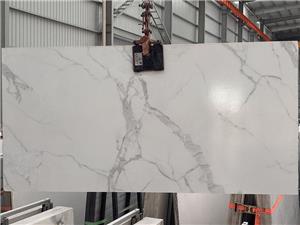
Taj Mahal sintered stone captures the warm tones and flowing veining of natural marble while offering the durability expected from a modern kitchen countertop material.
Where It Ranks in Quality
From a performance standpoint, Taj Mahal sintered stone ranks among the highest-quality kitchen countertop options available today. It combines:
Visual elegance
Long-term durability
Low maintenance
Suitability for heavy use
Typical Use Cases
Taj Mahal sintered stone is commonly specified for:
Luxury residential kitchen countertops
Kitchen islands and waterfall edges
High-end apartments and villas
Commercial kitchens and hospitality projects
Its balance of beauty and strength makes it a practical solution for demanding kitchen environments.
How to Choose the Right Material for Your Project
Selecting the best kitchen countertop material depends on how the space will be used and who will use it.
Residential vs. Commercial Kitchens
Residential kitchens often prioritize aesthetics and ease of maintenance, while commercial kitchens require maximum durability, hygiene, and heat resistance. Sintered stone performs well in both environments.
Designer Considerations
Designers often look for materials that offer:
Consistent color and pattern
Large slab formats
Compatibility with modern kitchen layouts
Sintered stone surfaces meet these requirements while offering design flexibility.
Budget vs. Performance
While high-quality kitchen countertops may involve a higher initial investment, their durability and low maintenance often result in better long-term value compared to materials that require frequent repairs or replacement.
Conclusion & Next Steps
High-quality kitchen countertops are defined by more than appearance. Durability, heat resistance, stain resistance, and low maintenance all play critical roles in long-term performance. As kitchen demands increase, advanced materials like sintered stone are becoming the preferred choice for designers, builders, and homeowners.
If you are exploring sintered stone kitchen countertops, reviewing specific surface options is the next step.
To learn more about performance-driven designs and marble-inspired aesthetics, explore our Sintered Stone Kitchen Countertops collection or view the Taj Mahal Sintered Stone Kitchen Countertop in detail.