
Beginner’s Guide: What to Ask Before Choosing Kitchen Countertops
Choosing kitchen countertops can feel overwhelming—especially for first-time buyers. With so many materials, finishes, and price points on the market, it’s easy to focus on appearance and overlook performance factors that matter long term.
This kitchen countertop buying guide walks through the most important questions to ask before choosing kitchen countertops, helping you avoid costly mistakes and select a surface that truly fits your project.
Why Asking the Right Questions Matters
Before comparing colors or styles, it’s essential to understand how your kitchen countertop will be used. Asking the right questions early helps buyers make confident, future-proof decisions.
It Saves Money
Choosing the wrong material often leads to repairs, replacements, or higher maintenance costs. A thoughtful selection process reduces long-term expenses.
It Prevents Regret
Many countertop issues—staining, scratching, etching—only appear after months of use. Asking the right questions upfront prevents disappointment later.
It Improves Performance
When performance matches lifestyle and usage, the countertop works with you instead of against you.
Key Questions to Answer Before Choosing Kitchen Countertops
This section forms the core of any reliable kitchen countertop checklist.
1. What Kind of Cooking Do You Do?
Do you cook occasionally or daily?
Do you place hot pots directly on surfaces?
Do you use sharp tools frequently?
High-heat and heavy-use kitchens require materials with excellent heat and scratch resistance.
2. How Much Maintenance Can You Tolerate?
Some materials require sealing, polishing, or special cleaners.
Ask yourself:
Are you willing to reseal countertops regularly?
Do you want a surface that’s easy to clean?
Is low maintenance a priority?
Low-maintenance surfaces are often preferred in busy households and commercial kitchens.
3. How Long Will the Surface Need to Last?
Is this a short-term renovation or a long-term investment?
High-quality kitchen countertops should last for many years without significant wear, especially in permanent homes or premium projects.
4. What’s Your Aesthetic Priority?
Are you drawn to:
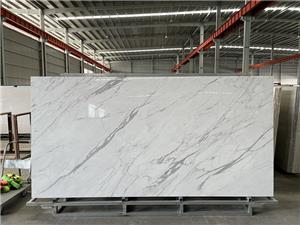
Marble-look kitchen countertops?
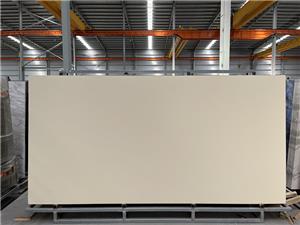
Solid, uniform colors?
Natural variation or consistent patterns?
Design preferences influence which materials will meet both visual and functional expectations.
5. Will the Countertop Be Used Indoors or Outdoors?
Not all kitchen countertop materials perform well under UV exposure or temperature changes. Outdoor kitchens or sun-filled spaces require UV-stable materials that won’t fade or degrade.
Material-Specific Considerations Buyers Often Overlook
Beyond appearance, material properties play a major role in performance.
Porosity
Porous materials absorb liquids, which can lead to staining and hygiene issues. Non-porous surfaces are easier to maintain and clean.
Heat and Stain Resistance
Some surfaces discolor or crack when exposed to high heat or acidic foods. Heat and stain resistance are essential for real-world kitchen use.
Repairability
While some materials can be repaired easily, others show permanent damage. Understanding repair limitations helps set realistic expectations.
Why Sintered Stone Should Be on Your List
As buyers ask more informed questions, sintered stone is increasingly considered among the best kitchen countertop options.
Performance Basics
Sintered stone is manufactured under extreme heat and pressure, resulting in a dense, non-porous surface that performs exceptionally well in kitchens.
Key advantages include:
High heat resistance
Excellent stain resistance
Scratch and impact durability
UV stability
No sealing required
These benefits directly address many common sintered stone selection questions.
Industry Reputation
Sintered stone is widely specified by designers and architects for both residential and commercial kitchen countertops due to its reliability and consistency.
Beautiful Patterns
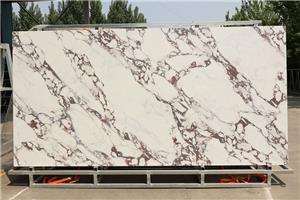
Modern sintered stone surfaces offer marble-inspired veining, natural textures, and contemporary finishes—without the drawbacks of natural marble.
Taj Mahal as a Case Study
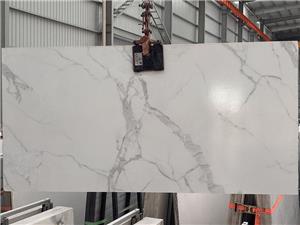
The Taj Mahal kitchen countertop is a useful example of how the right material can answer key buyer questions.
How It Addresses Common Concerns
Cooking style: Handles heat and daily use with ease
Maintenance: Non-porous, no sealing required
Longevity: Designed for long-term durability
Aesthetics: Warm marble-look appearance
Typical Use Cases
Taj Mahal sintered stone is commonly used for:
Luxury residential kitchen countertops
Kitchen islands and waterfall edges
High-end apartments and hospitality projects
Trade-Off Considerations
While sintered stone may have a higher upfront cost than entry-level materials, its durability and low maintenance often deliver better value over time.
Final Kitchen Countertop Checklist
Before making a final decision, review this checklist:
✔ Suitable for your cooking habits
✔ Matches maintenance expectations
✔ Durable enough for long-term use
✔ Fits your design vision
✔ Performs well indoors or outdoors
✔ Meets budget and performance balance
You may want to save or print this checklist when comparing materials or discussing options with suppliers.
Next Steps
Asking the right questions is the first step toward choosing high-quality kitchen countertops. Once your priorities are clear, exploring specific materials and designs becomes much easier.
To see how modern surfaces meet real-world kitchen demands, explore our Sintered Stone Kitchen Countertops or learn more about the Taj Mahal Sintered Stone Kitchen Countertop and its applications.
✔ Request samples
✔ Discuss your project requirements
✔ Compare suitable countertop materials