
Design Trends Driving the Popularity of Sintered Stone Furniture
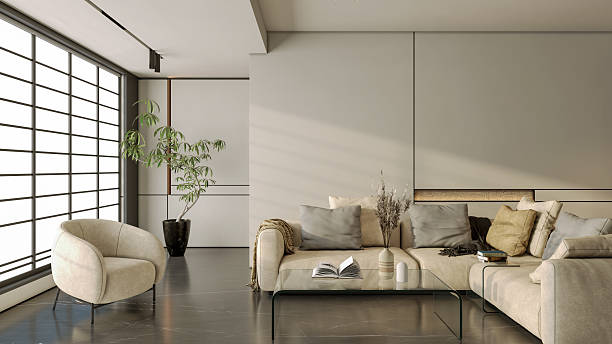
Furniture design has evolved dramatically over the past decade. Modern consumers, architects, and interior designers are no longer satisfied with furniture that simply looks attractive. Today's market demands pieces that combine sophisticated aesthetics, exceptional durability, sustainability, and long-term value.
As luxury residential and commercial spaces continue to embrace contemporary design principles, material selection has become a critical factor in furniture specification. Among the many innovative materials gaining traction, sintered stone has emerged as one of the most sought-after options for premium furniture applications.
From elegant dining tables and statement coffee tables to commercial conference tables and hospitality furnishings, sintered stone furniture is rapidly becoming a preferred choice for designers and property owners alike. Its ability to replicate the beauty of natural stone while delivering superior performance makes it perfectly aligned with today's leading design trends.
This growing popularity is not accidental. It is driven by several powerful shifts in interior design, luxury living, sustainability, and commercial project requirements. Let's explore the key design trends fueling the rise of sintered stone furniture.
The Rise of Luxury Minimalism in Furniture Design
Clean Lines and Sophisticated Simplicity
Minimalism has matured beyond being a passing trend. Modern luxury interiors increasingly emphasize simplicity, functionality, and intentional design choices. Homeowners and designers are seeking furniture that creates visual impact without overwhelming a space.
This approach favors clean silhouettes, uncluttered environments, and carefully selected statement pieces. Instead of filling rooms with excessive ornamentation, contemporary design celebrates fewer but higher-quality furnishings.
As a result, demand for elegant furniture with refined forms and premium finishes continues to grow across both residential and commercial projects.
Why Sintered Stone Complements Minimalist Aesthetics
Sintered stone naturally aligns with minimalist design principles. Its sleek appearance creates a sophisticated visual language that feels modern and timeless at the same time.
Large-format surfaces provide a seamless look that reduces visual distractions, while slim-profile tabletops contribute to the light, architectural feel favored in contemporary interiors.
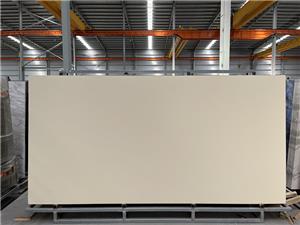
Additionally, sintered stone is available in a wide range of understated finishes, including soft neutrals, subtle veining patterns, and matte textures that complement modern minimalist spaces.
Popular Minimalist Sintered Stone Furniture Pieces
Several furniture categories have embraced the minimalist appeal of sintered stone:
Dining tables with thin-profile tabletops
Coffee tables featuring clean geometric forms
Console tables designed for entryways and living spaces
Executive desks that combine elegance with functionality
These pieces deliver a sophisticated aesthetic while maintaining the practical benefits required in everyday use.
The Growing Demand for Luxury and Premium Materials
Sintered Stone as a Premium Alternative to Marble
Luxury design has always been associated with natural materials, particularly marble. While marble remains highly desirable, many designers are now seeking alternatives that provide similar visual impact with improved durability and lower maintenance requirements.
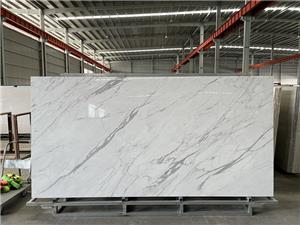
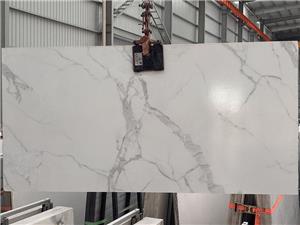
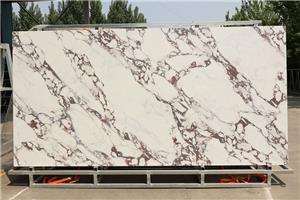
Sintered stone offers the luxurious appearance of premium natural stone while overcoming many of the limitations associated with traditional materials. It can accurately replicate marble-inspired veining, sophisticated textures, and elegant color variations without the susceptibility to staining, scratching, or etching.
This balance between beauty and performance has positioned sintered stone as a leading material in luxury furniture design.
Popular Luxury Finishes and Colors
One reason for the increasing popularity of sintered stone furniture is the extensive variety of available designs.
Current luxury trends favor:
Marble-look surfaces with dramatic veining
Natural stone-inspired patterns
Soft neutral palettes
Warm earth tones
Matte and satin finishes
Large-format slab designs that create a seamless appearance
These design options allow furniture manufacturers and designers to create statement pieces that complement a wide range of interior styles.
Customization and Bespoke Furniture Design Are Becoming Essential
The Shift Toward Personalized Interiors
Today's homeowners and commercial property developers increasingly seek personalized environments that reflect their unique identities and brand aesthetics.
Mass-produced furniture often fails to meet the specific design requirements of luxury projects. As a result, demand for bespoke furniture solutions continues to rise across residential, hospitality, and commercial sectors.
Custom furniture allows designers to create cohesive spaces that align perfectly with architectural elements, color palettes, and functional requirements.
Custom Sintered Stone Furniture Opportunities
Sintered stone offers remarkable flexibility for custom furniture design.
Manufacturers can tailor furniture through:
Custom tabletop dimensions
Unique shapes and configurations
Various edge profiles
Multiple surface finishes
Diverse base materials and designs
Coordinated color selections
This versatility enables designers to create one-of-a-kind furniture pieces that elevate the overall design vision of a project.
Whether designing a luxury dining table for a private residence or a large conference table for a corporate headquarters, sintered stone provides the customization capabilities necessary to achieve exceptional results.
Sustainability Is Influencing Furniture Purchasing Decisions
The Rise of Eco-Conscious Design
Sustainability has become a major consideration in both residential and commercial design decisions. Consumers are increasingly aware of the environmental impact of the products they purchase, while businesses seek materials that support green building initiatives and corporate sustainability goals.
This shift has fueled demand for furniture materials that offer long lifespans, reduced maintenance requirements, and responsible manufacturing practices.
How Sintered Stone Supports Sustainable Design Goals
Sintered stone contributes to sustainable design in several ways.
Its exceptional durability allows furniture to remain functional and attractive for many years, reducing the need for replacement and minimizing material waste.
The material's resistance to wear, stains, and environmental damage further extends product life cycles, making it an excellent investment from both economic and environmental perspectives.
In addition, many sintered stone manufacturers utilize efficient production methods and natural raw materials, helping support more sustainable manufacturing processes.
Sustainable Applications in Residential and Commercial Projects
The sustainability benefits of sintered stone furniture make it attractive across various sectors, including:
Residential homes
Luxury hotels
Restaurants
Retail environments
Corporate offices
Mixed-use developments
These applications benefit from furniture that delivers both environmental responsibility and long-term performance.
Performance-Driven Furniture Is Gaining Popularity
Modern Consumers Expect More Than Beauty
Modern buyers no longer view furniture solely as decorative elements. They expect furniture to perform exceptionally well under daily use while maintaining its appearance over time.
This growing demand for functional luxury has accelerated the adoption of advanced surface materials such as sintered stone.
Key Performance Benefits of Sintered Stone Furniture
Sintered stone offers several advantages that make it ideal for demanding environments.
Scratch Resistance
Its highly durable surface resists scratches from everyday use, helping furniture maintain its appearance even in busy settings.
Heat Resistance
Unlike many traditional furniture materials, sintered stone can withstand high temperatures without damage, making it particularly suitable for dining and hospitality applications.
Stain Resistance
Its non-porous surface minimizes staining and simplifies cleaning, reducing maintenance requirements.
UV Resistance
Sintered stone maintains its color and appearance when exposed to sunlight, making it suitable for indoor and outdoor furniture applications.
Ideal Applications for High-Traffic Environments
Because of these performance characteristics, sintered stone furniture is increasingly specified for:
Hospitality venues
Restaurants and cafés
Conference and meeting rooms
Retail environments
Outdoor dining spaces
Commercial lounges
Its ability to combine beauty with durability makes it particularly valuable in high-use environments.
Hospitality and Commercial Design Trends Are Accelerating Adoption
Luxury Hospitality's Demand for Durable Elegance
The hospitality industry constantly seeks materials that deliver memorable guest experiences while standing up to intensive daily use.
Hotels, restaurants, and luxury resorts require furniture that communicates sophistication while minimizing maintenance costs and operational disruptions.
Sintered stone furniture effectively meets these requirements, making it a popular choice among hospitality designers.
Why Commercial Designers Choose Sintered Stone
Commercial design professionals appreciate several advantages offered by sintered stone furniture:
Long-term durability
Easy maintenance
Premium visual appeal
Consistent design quality
Resistance to wear and damage
Excellent lifecycle value
These benefits make sintered stone a practical solution for projects where aesthetics and performance are equally important.
Popular Commercial Furniture Applications
Commercial environments are increasingly incorporating sintered stone into:
Restaurant dining tables
Hotel lobby furnishings
Reception desks
Executive meeting tables
Lounge furniture
Collaborative workspaces
These applications showcase the material's versatility and ability to support a wide variety of design concepts.
Conclusion
The popularity of sintered stone furniture is being driven by several influential design trends. The rise of luxury minimalism, demand for premium materials, growing interest in customization, increased focus on sustainability, and the need for high-performance furniture are all contributing to its rapid adoption.
Unlike many traditional furniture materials, sintered stone successfully combines sophisticated aesthetics with exceptional durability and long-term value. It allows designers to create elegant, contemporary spaces without compromising functionality or sustainability.
For architects, interior designers, hospitality professionals, and homeowners seeking future-ready furniture solutions, sintered stone offers a compelling combination of beauty, versatility, and performance. As design trends continue to evolve, its role in luxury residential and commercial interiors is expected to grow even further.
Frequently Asked Questions
Why is sintered stone furniture becoming so popular?
Sintered stone furniture is gaining popularity because it combines luxury aesthetics, exceptional durability, low maintenance requirements, and sustainable design benefits. It aligns perfectly with modern trends in residential and commercial interiors.
Is sintered stone furniture sustainable?
Yes. Sintered stone furniture supports sustainability through its long lifespan, durability, reduced replacement needs, and resource-efficient manufacturing processes. Its longevity helps minimize waste over time.
Can sintered stone furniture be customized?
Absolutely. Sintered stone can be customized in terms of dimensions, shapes, edge profiles, finishes, colors, and base designs, making it ideal for bespoke furniture projects.
Is sintered stone suitable for commercial and hospitality projects?
Yes. Its scratch resistance, heat resistance, stain resistance, and ease of maintenance make sintered stone an excellent choice for hotels, restaurants, offices, retail spaces, and other high-traffic commercial environments.