
Sintered Stone Tiles for High-Traffic Commercial Flooring Projects
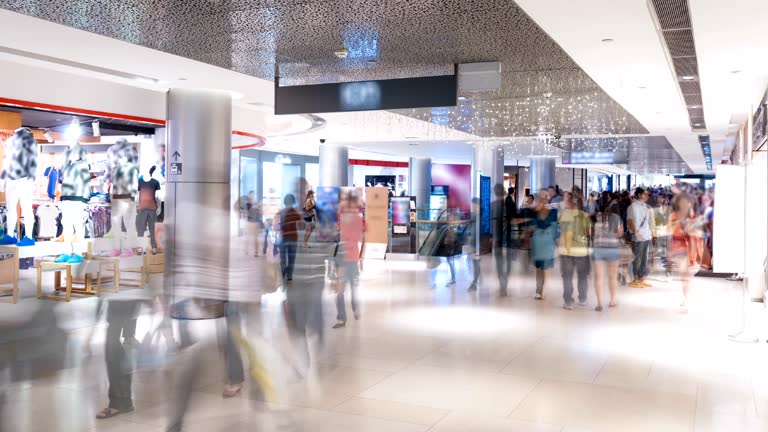
Selecting the right flooring for a commercial project is about much more than appearance. For contractors, architects, and developers, flooring is a long-term investment that directly affects a building's durability, maintenance costs, safety, and overall lifecycle value.
Choosing the wrong flooring material can lead to:
Premature surface wear
Increased maintenance expenses
Safety risks caused by slippery or damaged surfaces
Business disruptions during repairs or replacements
Higher total ownership costs over the life of the building
As commercial construction increasingly prioritizes durability, sustainability, and long-term operational efficiency, material selection has become more strategic than ever. Architects are expected to specify products that meet both design expectations and performance standards, while contractors and developers seek materials that minimize future maintenance and maximize project value.
Among today's high-performance surface materials, sintered stone tiles have emerged as a preferred flooring solution for demanding commercial environments. Manufactured through advanced sintering technology that replicates the natural formation of stone under extreme heat and pressure, these tiles offer exceptional durability, low maintenance requirements, and versatile design options suitable for a wide range of projects.
What Makes a Flooring Material Suitable for High-Traffic Areas?
Every commercial project has unique functional requirements, but high-traffic environments share one common challenge: flooring must withstand continuous use while maintaining its structural integrity and appearance for many years.
Unlike decorative finishes that can be easily replaced, commercial flooring represents a significant investment in both materials and installation. Selecting a flooring system that performs consistently under demanding conditions helps reduce maintenance costs, extend replacement cycles, and improve overall building performance.
Understanding High-Traffic Commercial Environments
High-traffic areas are spaces where flooring is subjected to frequent pedestrian movement, rolling loads, and regular cleaning. These environments often operate for extended hours or even around the clock, leaving little opportunity for repairs or maintenance.
Common examples include:
Shopping malls
Retail stores and supermarkets
Hotels and resorts
Airport terminals
Railway and metro stations
Office buildings
Hospitals and healthcare facilities
Universities and schools
Convention centers
Museums and public buildings
Restaurants and food courts
Mixed-use commercial developments
Each of these environments presents unique operational challenges. For example, airport terminals experience constant luggage traffic, hotels require premium aesthetics alongside durability, while hospitals prioritize hygiene, chemical resistance, and ease of cleaning.
Although their functional requirements differ, they all require flooring capable of delivering reliable long-term performance.
Comparing Sintered Stone with Other Commercial Flooring Materials
Every commercial project has unique technical, aesthetic, and budgetary requirements. While no single material is ideal for every application, understanding the strengths and limitations of each option helps project teams make informed decisions.
The following comparison highlights how sintered stone performs relative to commonly specified commercial flooring materials.
Wear Resistance | Excellent | Very Good | Moderate | Excellent | Good | Moderate | Good |
Scratch Resistance | Excellent | Very Good | Moderate | Excellent | Good | Fair | Moderate |
Water Resistance | Excellent | Excellent | Moderate | Good | Good | Excellent | Excellent |
Stain Resistance | Excellent | Excellent | Fair | Good | Good | Good | Good |
Maintenance | Low | Low | High | Moderate | Moderate | Low | Moderate |
Appearance Retention | Excellent | Very Good | Good | Excellent | Good | Fair | Moderate |
Design Variety | Extensive | Extensive | Limited to natural patterns | Limited | Moderate | Extensive | Moderate |
Lifecycle Cost | Competitive | Competitive | High | Moderate | Moderate | Moderate | Moderate |
Rather than focusing solely on upfront costs, commercial buyers should evaluate flooring based on expected service life, maintenance requirements, operational downtime, and replacement frequency.
Selecting the Right Material for Your Project
No flooring material should be selected based solely on popularity or initial cost.
Instead, contractors, architects, and developers should evaluate options according to:
Expected traffic volume
Building function
Safety requirements
Maintenance resources
Design objectives
Environmental conditions
Lifecycle cost
Project budget
For commercial developments where durability, appearance, and long-term operational efficiency are equally important, sintered stone offers a compelling balance of performance and design flexibility.
Recommended Applications for Sintered Stone Flooring
Every commercial project presents unique operational requirements. While no flooring material is universally suitable for every environment, sintered stone is increasingly specified in projects where durability, low maintenance, and design consistency are equally important.
The following examples illustrate where its performance characteristics align well with the demands of high-traffic commercial spaces.
Shopping Malls and Retail Centers
Retail environments must create an attractive shopping experience while accommodating continuous pedestrian traffic, shopping carts, product deliveries, and frequent cleaning.
Flooring in these spaces should retain its appearance despite constant use, as worn or damaged surfaces can negatively affect both customer perception and maintenance budgets.
Sintered stone offers several advantages for retail applications:
Excellent abrasion resistance for busy walkways
Resistance to scratches from shopping carts and display fixtures
Easy cleaning of food and beverage spills
Large-format tiles that reduce grout lines
A wide range of contemporary finishes suitable for different retail concepts
For shopping malls, minimizing maintenance interruptions is especially valuable, as repairs often need to be completed outside operating hours to avoid disrupting tenants and customers.
Hotels and Hospitality Projects
Hotels require flooring that balances aesthetics with operational efficiency.
Public areas such as lobbies, reception spaces, restaurants, conference rooms, and corridors experience constant traffic from guests, staff, and service equipment.
Architects often seek materials that communicate luxury while remaining practical for daily operations.
Sintered stone supports these goals through:
Marble-inspired and natural stone-inspired designs
Consistent appearance across large floor areas
Resistance to stains from food and beverages
Low maintenance compared with many natural stones
Long-term color stability in naturally lit spaces
By reducing the need for frequent restoration or refinishing, hotel operators can better control maintenance costs while maintaining a premium guest experience.
Airports and Transportation Hubs
Transportation facilities present some of the most demanding flooring conditions.
Daily challenges include:
Continuous pedestrian traffic
Heavy rolling luggage
Cleaning equipment
Extended operating hours
Exposure to dirt and moisture from outdoor environments
Flooring failures in these locations can lead not only to repair costs but also to operational disruptions and safety concerns.
The durability and wear resistance of sintered stone make it well suited to terminal concourses, waiting areas, ticketing halls, and circulation corridors where consistent long-term performance is essential.
Healthcare Facilities
Hospitals, clinics, and medical centers require flooring that supports hygiene, durability, and ease of maintenance.
Frequent cleaning and disinfection are essential, making chemical resistance and low water absorption important considerations.
Potential applications include:
Public corridors
Waiting rooms
Reception areas
Outpatient facilities
Administrative offices
In addition to practical performance, designers can select finishes that contribute to calm, welcoming healthcare environments without compromising functionality.
Office Buildings and Corporate Campuses
Modern workplaces increasingly emphasize high-quality interior environments that reflect a company's brand while minimizing long-term operating expenses.
Office buildings benefit from flooring that:
Maintains its appearance under daily foot traffic
Supports easy maintenance
Coordinates with contemporary architectural designs
Performs well in reception areas, meeting spaces, and shared facilities
Large-format sintered stone tiles can create clean, seamless interiors that align with modern corporate design trends.
Educational Facilities
Universities, schools, and training centers experience heavy daily use from students, staff, and visitors.
Classroom buildings, libraries, cafeterias, and circulation corridors all require flooring capable of withstanding continuous traffic while remaining easy to clean.
Because educational facilities often operate within strict maintenance budgets, durable materials with long replacement cycles can help reduce total lifecycle costs.
Public Buildings and Civic Projects
Government offices, museums, libraries, exhibition centers, and cultural institutions often prioritize both longevity and architectural quality.
Flooring in these buildings should maintain its appearance over decades while accommodating diverse visitor volumes.
Sintered stone provides architects with a broad selection of finishes that complement contemporary civic architecture while delivering reliable long-term performance.
Design Flexibility for Commercial Projects
Performance alone rarely determines material selection.
Architects and interior designers must also achieve specific visual objectives while ensuring that selected materials comply with technical requirements.
One of the strengths of sintered stone is its ability to combine engineered performance with extensive design versatility.
Wide Range of Surface Aesthetics
Advances in manufacturing technology allow sintered stone to reproduce the appearance of many natural materials with remarkable consistency.
Popular commercial finishes include:
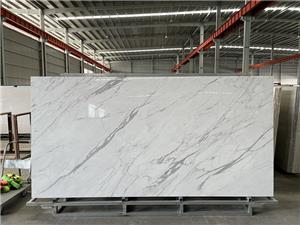
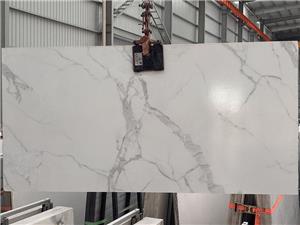
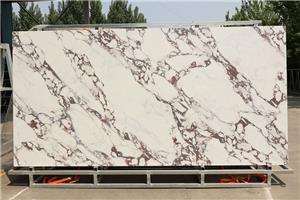
Marble-look surfaces
Limestone-inspired textures
Travertine designs
Concrete-look finishes
Slate-inspired collections
Terrazzo effects
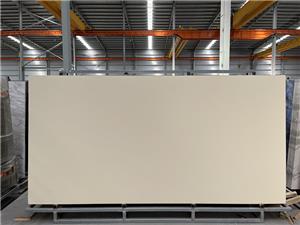
Minimalist solid colors
This variety enables designers to achieve different architectural styles without sacrificing durability.
Large-Format Options for Contemporary Architecture
Commercial projects increasingly incorporate large-format flooring to create open, visually continuous spaces.
Benefits include:
Reduced grout joints
Cleaner architectural lines
Enhanced perception of space
Improved visual continuity
Easier maintenance
Large-format tiles are particularly popular in hotel lobbies, luxury retail environments, corporate headquarters, and airport terminals.
Coordinated Material Solutions
Many manufacturers offer matching collections suitable for multiple interior applications.
This allows designers to specify coordinated surfaces for:
Floors
Feature walls
Reception counters
Staircases
Elevator surrounds
Washroom interiors
Custom furniture
Using one material family throughout a project simplifies specification while creating a cohesive architectural identity.
Indoor and Outdoor Continuity
Many commercial developments seek seamless transitions between interior and exterior spaces.
Suitable sintered stone collections may be specified across:
Entrance plazas
Courtyards
Outdoor dining areas
Covered walkways
Interior public spaces
By selecting complementary finishes with appropriate slip resistance, architects can achieve visual continuity while addressing different functional requirements.
Choosing the Right Sintered Stone Supplier for Commercial Projects
Even the highest-quality material cannot deliver its full value without a reliable manufacturing partner.
For international commercial projects, supplier selection is as important as material selection.
Manufacturing Capacity
Large commercial developments often require substantial production volumes within defined project schedules.
Before selecting a supplier, evaluate:
Factory production capacity
Automation level
Ability to maintain supply consistency
Scalability for phased developments
Reliable production minimizes the risk of project delays.
Consistent Product Quality
Commercial flooring should maintain uniformity throughout the project.
Assess whether the manufacturer has robust quality control procedures covering:
Dimensions
Thickness tolerance
Surface finish
Color consistency
Flatness
Packaging inspection
Consistency reduces installation challenges and ensures a professional finished appearance.
Technical Documentation
Architects and consultants typically require comprehensive technical information during specification.
A qualified supplier should provide documentation such as:
Technical data sheets
Installation recommendations
Maintenance guidelines
Performance test reports
Applicable certifications
Clear documentation supports accurate specification and smoother project execution.
Product Range and Customization
Different projects have different design objectives.
Manufacturers with broader product portfolios can better support architects by offering:
Multiple finishes
Various tile dimensions
Surface textures
Color collections
Thickness options
Coordinated product series
Some projects may also require custom production or private-label services.
International Project Experience
Export experience can significantly improve project execution.
Suppliers familiar with international commercial projects generally understand:
Export packaging requirements
Container optimization
Shipping documentation
Delivery scheduling
International quality expectations
This experience helps reduce logistical risks for overseas developments.
Technical and After-Sales Support
Commercial flooring projects often involve coordination between architects, contractors, distributors, and installers.
Responsive technical support can assist with:
Product selection
Specification advice
Installation guidance
Maintenance recommendations
Sample requests
Project documentation
Strong communication contributes to smoother project delivery.
Frequently Asked Questions
Are sintered stone tiles suitable for very high-traffic commercial areas?
Yes. Their dense structure, high abrasion resistance, and scratch resistance make them well suited for applications such as shopping malls, airports, hotels, office buildings, and public facilities where long-term durability is essential.
How do sintered stone tiles compare with porcelain tiles?
Both materials offer excellent durability and low maintenance. Sintered stone is often selected for projects requiring larger formats, advanced design flexibility, and coordinated architectural applications. The most appropriate choice depends on project requirements, performance expectations, and budget.
What tile thickness is recommended for commercial flooring?
The appropriate thickness depends on factors such as expected traffic levels, loading conditions, tile size, and installation method. Manufacturers typically provide recommendations based on intended application and relevant technical standards.
Can sintered stone be used for both floors and walls?
Yes. Many commercial projects specify matching collections for floors, feature walls, reception areas, staircases, and other architectural elements to create a consistent design language throughout the building.
Conclusion
Selecting flooring for high-traffic commercial environments requires balancing technical performance, architectural design, operational efficiency, and long-term value. While many flooring materials can perform well in specific applications, the most successful commercial projects are those that evaluate materials based on lifecycle performance rather than initial cost alone.
Sintered stone has become an increasingly popular choice for contractors, architects, and developers because it addresses many of the challenges associated with busy commercial spaces. Its combination of wear resistance, scratch resistance, low water absorption, design flexibility, and low maintenance makes it suitable for a wide range of sectors—from hospitality and retail to healthcare, transportation, education, and public infrastructure.