
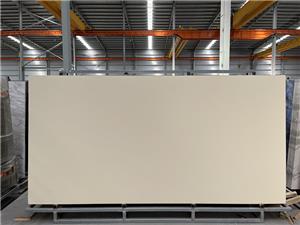
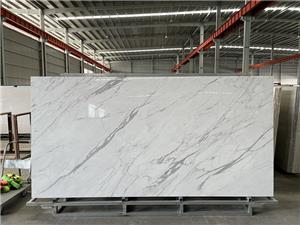
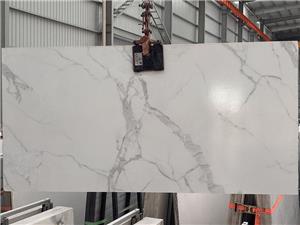
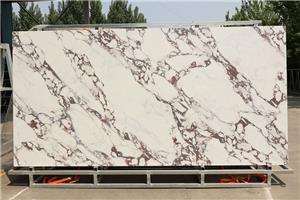
Honed Sintered Stone Countertops: Matte Finish Guide
Honed Sintered Stone Countertops: Why This Matte Surface Is Becoming a Preferred Choice for Modern Interiors
For many years, polished stone surfaces dominated premium countertop design. Their reflective appearance, strong color depth, and association with luxury made them a common choice for kitchens, hospitality spaces, and high-end interiors. However, surface preferences are changing. Designers and material specialists are increasingly looking for finishes that feel more natural, refined, and integrated with contemporary architectural styles.
This shift has created growing interest in honed sintered stone countertops. Rather than relying on high gloss and reflection, honed surfaces offer a softer visual character that works with today’s preference for understated luxury, natural textures, and minimalist interiors.
The appeal of honed sintered stone is not simply based on appearance. It represents a broader evolution in countertop materials: combining the aesthetic qualities traditionally associated with natural stone with the consistency, durability, and performance expected from advanced engineered surfaces.
For modern residential kitchens, commercial interiors, and architectural applications, the question is no longer only whether a countertop looks attractive. The more important consideration is whether the surface delivers the right balance of design, performance, fabrication reliability, and long-term value.
The Growing Preference for Honed Surfaces in Contemporary Countertop Design
The increasing attention toward honed finishes reflects a larger change in interior design.
Over the past decade, many interior spaces have moved away from highly reflective materials toward finishes that create a calmer and more tactile environment. The popularity of styles such as contemporary European interiors, organic modern design, and quiet luxury has influenced the way surfaces are selected.
In these spaces, materials are expected to contribute to the atmosphere of the room rather than simply stand out as decorative elements.
A honed finish supports this approach because it reduces surface reflection and creates a more natural visual experience. Light is absorbed and distributed more softly across the surface, allowing the texture, color, and veining of the slab to become the focus.
This is particularly relevant for marble-inspired designs. Natural marble remains highly valued for its elegance, but many projects require greater consistency and easier maintenance. As a result, marble look sintered stone countertops have become an increasingly practical alternative, offering sophisticated patterns without the variability and maintenance challenges often associated with natural stone.
The growth of honed sintered stone countertops therefore reflects two connected trends:
First, the demand for more refined and natural-looking interiors.
Second, the need for countertop materials that perform reliably in everyday environments.
Understanding Honed Sintered Stone Countertops
A honed sintered stone countertop combines two important characteristics: advanced surface technology and a carefully controlled finish.
Sintered stone is produced by compacting and heating selected mineral materials under extreme pressure and temperature. This manufacturing process creates a dense surface structure with excellent resistance to common countertop challenges, including heat exposure, staining, and daily wear.
The honed finish is created through surface treatment that reduces gloss while maintaining the structural performance of the slab. Unlike polished surfaces, which emphasize reflection and shine, honed surfaces provide a smooth matte appearance with a more subtle texture.
This difference may appear simple, but surface finish has a significant impact on how a material interacts with its environment.
In a kitchen with large windows and abundant natural light, for example, a highly polished surface may create stronger reflections. A honed surface can provide a softer appearance that integrates more naturally with surrounding materials such as wood, metal, concrete, or natural stone elements.
For this reason, honed sintered stone countertops are increasingly considered not only a functional surface choice but also an important design element.
Honed vs Polished Sintered Stone: Choosing the Right Surface Character
The choice between honed and polished sintered stone countertops is often misunderstood as a simple preference between matte and glossy appearances. In professional applications, the decision is usually more complex.
The finish influences the overall visual language of the space.
A polished sintered stone surface creates stronger reflections and can enhance the depth of colors and patterns. It is often selected for interiors where brightness, contrast, and a more traditional luxury appearance are desired.
A honed finish creates a quieter appearance. It allows marble patterns, subtle textures, and neutral tones to appear more natural, making it suitable for spaces where designers want the material to feel sophisticated without becoming visually dominant.
Performance considerations are also important. Both finishes benefit from the inherent durability of sintered stone technology. The decision is typically influenced by factors such as lighting conditions, design direction, maintenance expectations, and the surrounding materials.
For example, a luxury kitchen featuring dark cabinetry and dramatic lighting may benefit from the softer reflection of a honed surface. A space designed around brightness and visual contrast may be better suited to a polished finish.
The best finish is not determined by a universal rule. It depends on how the material is expected to function within the overall design.
Performance Considerations Behind the Popularity of Honed Sintered Stone Countertops
While appearance is often the reason people first consider honed sintered stone countertops, long-term performance is what determines whether the material remains suitable.
Countertops are among the most heavily used surfaces in residential and commercial environments. They must withstand heat, moisture, cleaning products, food preparation, and daily contact.
Sintered stone has gained attention because of its dense structure and resistance characteristics.
Unlike porous natural stones that may require periodic sealing, sintered stone provides a non-porous surface that is easier to maintain. This makes it suitable for applications where hygiene, durability, and consistent appearance are important.
The material is also known for:
strong resistance to scratches from everyday use
excellent heat resistance
resistance to staining
UV stability for suitable outdoor applications
However, understanding performance requires more than reviewing technical specifications. The quality of the finished installation depends on factors such as slab selection, fabrication accuracy, edge processing, and installation expertise.
A premium material can only achieve its intended performance when the entire process, from manufacturing to installation, is properly controlled.
Where Honed Sintered Stone Countertops Are Being Used
The versatility of honed sintered stone has expanded its role across different interior applications.
In residential kitchens, it is increasingly selected for countertops and large kitchen islands where the surface becomes a central visual feature. Large-format slabs allow designers to create expansive surfaces with fewer visual interruptions, especially for marble-inspired designs where vein continuity is important.
The material is also well suited to bathroom applications. Vanity tops, wall panels, and integrated surface designs benefit from the combination of refined appearance and moisture resistance.
Beyond residential interiors, honed sintered stone countertops are also being considered for hospitality and commercial environments. Restaurants, hotels, and retail spaces often require materials that maintain a premium appearance while handling intensive use.
In these settings, the value of sintered stone is not only aesthetic. Consistency between slabs, predictable performance, and ease of maintenance become equally important considerations.
What Determines the Quality of Honed Sintered Stone Countertops?
As demand for premium surface materials increases, product quality differences become more important.
Not all sintered stone slabs deliver the same level of visual consistency or technical performance. The manufacturing process has a direct influence on the final countertop result.
For honed finishes, surface treatment control is particularly important. The finish must achieve a consistent texture across the entire slab while preserving the intended appearance of the design.
Professional production requires careful control of several factors:
raw material formulation
pressing consistency
firing temperature control
surface finishing accuracy
color and pattern consistency
quality inspection procedures
For marble-inspired slabs, quality control becomes even more critical. Veining direction, background tone, and surface uniformity all affect the final installation.
A reliable sintered stone manufacturer focuses not only on producing durable slabs but also on ensuring that different production batches maintain consistent visual quality.
This matters especially for projects requiring multiple slabs, where even small variations can affect the overall appearance.
Selecting Honed Sintered Stone for Professional Applications
Choosing the right honed sintered stone countertop involves more than selecting a preferred color or pattern.
The most successful applications consider the relationship between design intent and technical requirements.
Important factors include:
the expected usage environment
slab dimensions and thickness requirements
fabrication possibilities
edge design
pattern matching requirements
installation conditions
For large-format applications, slab quality and consistency become especially important. A surface may look impressive in a showroom sample, but the final result depends on how well the material performs across the entire project.
This is why technical information, production capabilities, and quality standards should be considered alongside aesthetics.
A well-selected honed sintered stone surface should not only look refined when installed. It should continue to perform and maintain its appearance over years of use.
The Future of Honed Sintered Stone Countertops in Modern Interiors
The increasing popularity of honed sintered stone countertops reflects a wider transformation in how architectural surfaces are evaluated.
Modern projects increasingly require materials that combine visual sophistication with dependable performance. Designers and material specialists are moving toward surfaces that feel natural, age well, and support a broader design vision.
Honed sintered stone meets this demand by offering a matte, stone-like appearance together with the technical advantages of advanced sintered materials.
Its appeal comes from the balance between aesthetics and engineering: a surface that can create a refined interior atmosphere while providing the durability required for everyday use.
As matte finishes, large-format surfaces, and natural-inspired designs continue to influence countertop trends, honed sintered stone is positioned to become an increasingly important option for kitchens, hospitality spaces, and architectural applications.
For projects evaluating this material, exploring slab collections, technical specifications, finish options, and manufacturing capabilities provides a clearer understanding of how honed sintered stone can perform in real-world applications.