
Outdoor Applications of Sintered Stone Tiles: Durable Outdoor Flooring Solutions
Outdoor spaces have become an essential part of modern residential and commercial architecture. From private terraces and garden landscapes to hotel courtyards, rooftop lounges, and public plazas, exterior areas are increasingly designed as extensions of indoor environments. As a result, architects, contractors, and developers require outdoor materials that deliver not only attractive aesthetics but also reliable performance under demanding environmental conditions.
Unlike interior flooring, outdoor surfaces are continuously exposed to harsh conditions. Rain, snow, direct sunlight, temperature fluctuations, moisture, dirt, and heavy foot traffic can gradually damage materials that are not specifically designed for exterior applications. Traditional outdoor materials may experience issues such as cracking, fading, staining, surface deterioration, or high maintenance requirements over time.
For this reason, material selection plays a critical role in the long-term success of outdoor projects. A visually appealing surface that cannot withstand environmental stress may lead to increased maintenance costs, premature replacement, and reduced project value.
Sintered stone tiles have become an increasingly popular solution for outdoor applications because they combine exceptional durability with modern design flexibility. Produced by compressing natural minerals under extremely high pressure and firing them at temperatures above 1,200°C, sintered stone develops an ultra-dense structure that provides outstanding resistance to moisture, UV exposure, temperature changes, stains, and abrasion.
This advanced manufacturing process allows sintered stone to achieve the appearance of natural materials while offering more consistent technical performance. For professional buyers, this means greater confidence when specifying materials for demanding environments, including residential landscapes, commercial developments, hospitality projects, and public spaces.
Today, outdoor sintered stone tiles are widely used for:
Residential patios and terraces
Swimming pool surrounds
Outdoor kitchens and dining areas
Rooftop terraces and balconies
Hotel and resort landscapes
Commercial plazas and pedestrian walkways
Courtyards and garden pathways
With the ability to combine durability, safety, and aesthetic versatility, sintered stone provides a reliable solution for projects where both appearance and long-term performance are important.
Why Sintered Stone Tiles Excel in Outdoor Applications
Choosing outdoor flooring requires careful consideration of more than appearance alone. Exterior materials must maintain their structural integrity and visual quality despite years of exposure to changing weather conditions.
Many traditional paving materials have limitations in outdoor environments. Some natural stones have varying levels of porosity and may require regular sealing to prevent staining and moisture damage. Concrete products can experience cracking and surface degradation after repeated temperature cycles. Other materials may lose color stability when exposed to prolonged sunlight.
Sintered stone is engineered to overcome these challenges through its highly compact surface structure. Its extremely low water absorption, high mechanical strength, and resistance to environmental stress make it suitable for a wide range of outdoor applications.
One of the most important advantages of sintered stone is its ability to perform consistently across different climates. Whether installed in regions with freezing winters, heavy rainfall, intense sunlight, or significant temperature variations, high-quality sintered stone maintains its appearance and structural stability.
This makes it particularly valuable for international projects where materials must meet diverse environmental requirements. For example, a distributor supplying products to Northern Europe may prioritize freeze-thaw resistance, while a developer in a coastal region may focus more on UV stability, moisture resistance, and low maintenance.
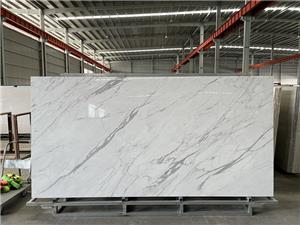
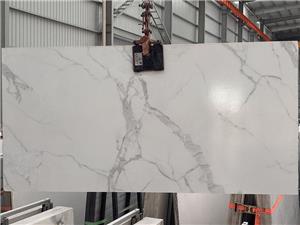
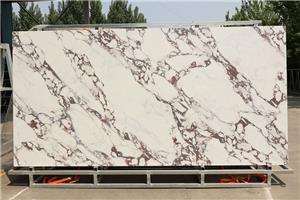
Another major advantage is design flexibility. Modern manufacturing technology allows sintered stone tiles to replicate the appearance of premium materials such as marble, limestone, travertine, slate, granite, and concrete. This enables architects to achieve sophisticated outdoor designs without sacrificing technical performance.
Large-format sintered stone tiles are especially popular in contemporary architecture because they create cleaner visual surfaces with fewer joints. This helps designers achieve a seamless connection between indoor and outdoor spaces while also reducing areas where dirt and moisture can accumulate.
For commercial property owners and facility managers, the material’s low maintenance requirements provide additional value. The dense, non-porous surface helps resist stains, mold, algae growth, and everyday wear, reducing the need for frequent cleaning, sealing, or restoration.
As outdoor design continues to evolve, sintered stone has become a preferred choice for projects that require a balance between aesthetics, durability, and lifecycle value.
Freeze-Thaw Resistance: Protecting Outdoor Surfaces in Cold Climates
For outdoor flooring installed in colder regions, freeze-thaw resistance is one of the most important performance factors.
During winter, exterior materials are exposed to repeated cycles of freezing and thawing. When water enters porous materials, it expands as it freezes and creates internal pressure. Over time, this repeated expansion can cause cracks, surface damage, edge deterioration, and structural weakening.
This problem is particularly common in outdoor environments where drainage is poor or where materials have higher water absorption rates. Even small amounts of trapped moisture can gradually damage surfaces after multiple seasonal cycles.
Sintered stone tiles provide excellent protection against freeze-thaw damage because their water absorption rate is typically below 0.1%. The dense structure prevents significant moisture penetration, leaving little water available to expand during freezing conditions.
This characteristic makes outdoor sintered stone tiles suitable for demanding climates, including:
Northern Europe
Canada
Northern United States
Alpine regions
Areas with frequent winter temperature fluctuations
For commercial developments, this performance advantage can significantly reduce maintenance requirements. Replacing damaged outdoor paving can involve considerable labor, material costs, and disruption to property operations. A freeze-resistant material helps extend the service life of the installation while maintaining a consistent appearance.
Freeze-thaw resistance is particularly important for applications such as outdoor staircases, walkways, terraces, hotel entrances, and public areas where surface failure can affect both safety and user experience.
However, material performance should always be combined with proper installation practices. Correct drainage design, suitable substrate preparation, and the appropriate installation system are essential to ensure long-term durability.
When high-quality sintered stone is installed correctly, it provides a reliable outdoor surface capable of handling years of seasonal temperature changes without significant deterioration.
UV Resistance: Maintaining Long-Term Color Stability Outdoors
Outdoor materials are exposed to sunlight every day, making UV resistance a critical factor in maintaining long-term appearance. Continuous exposure to ultraviolet radiation can cause some materials to fade, discolor, or lose their original visual appeal.
This concern is especially important for large-scale projects. A commercial plaza, luxury resort, or residential development may include thousands of square meters of outdoor surfaces, meaning even minor color changes can affect the overall design quality.
Sintered stone tiles offer excellent UV resistance because their colors and patterns are created through high-temperature manufacturing rather than relying on surface coatings. Mineral pigments are integrated throughout the material structure and fused during the production process, creating a stable finish that remains resistant to sunlight exposure.
Unlike materials that depend on painted or coated surfaces, sintered stone maintains its appearance even after years of outdoor exposure. This makes it an ideal choice for locations with intense sunlight, including coastal areas, Mediterranean climates, Australia, and regions with strong year-round solar exposure.
The long-term color stability of sintered stone provides several advantages:
Preserves the original architectural design intent
Reduces replacement costs caused by fading
Maintains consistent appearance across large installations
Supports long-term property value
For architects and designers, this reliability allows greater freedom when specifying decorative outdoor surfaces. Marble-effect, stone-effect, and contemporary finishes can be used confidently without concerns about rapid visual degradation.
Combined with its resistance to moisture, temperature changes, and abrasion, UV stability makes sintered stone a dependable choice for outdoor flooring projects where both performance and aesthetics are equally important.
Anti-Slip Finishes: Improving Outdoor Safety Without Compromising Design
Safety is one of the most important considerations when selecting outdoor flooring materials. Exterior surfaces are frequently exposed to rain, humidity, pool water, and seasonal moisture, which can increase the risk of slipping if the surface texture is not suitable for the environment.
For this reason, outdoor sintered stone tiles are available with specially developed anti-slip finishes designed to provide improved traction while maintaining the aesthetic qualities required for modern architectural projects.
The correct surface finish depends on the specific application. A private residential terrace may prioritize a comfortable walking experience and elegant appearance, while a commercial plaza, hotel pool deck, or public walkway may require higher slip resistance due to heavier traffic and greater exposure to moisture.
Professional buyers should consider factors such as expected foot traffic, local weather conditions, accessibility requirements, and project regulations when selecting an outdoor finish. Choosing the correct texture during the design stage helps ensure that the final installation delivers both safety and visual appeal.
Common outdoor sintered stone surface finishes include:
| Surface Finish | Recommended Applications | Main Characteristics |
|---|---|---|
| Structured Finish | Patios, gardens, outdoor walkways | Textured surface improves grip while maintaining a natural appearance |
| Grip Finish | Swimming pool areas, wet environments | Designed for enhanced traction where moisture exposure is frequent |
| Bush-Hammered Finish | Public plazas, commercial landscapes | Provides strong slip resistance for high pedestrian traffic areas |
| Matte Finish | Residential terraces, balconies, covered outdoor areas | Provides a balance between refined appearance and everyday slip resistance |
For projects such as swimming pools, restaurants, hotels, and public spaces, anti-slip performance should be evaluated together with durability and aesthetics. A surface that looks attractive but becomes unsafe when wet may create long-term operational concerns.
Working with an experienced sintered stone supplier can help project teams select finishes that match both functional requirements and design objectives.
Weather Resistance: Reliable Performance in Changing Outdoor Conditions
Outdoor flooring materials must withstand a combination of environmental challenges throughout their service life. Unlike indoor surfaces, exterior installations experience continuous exposure to sunlight, rainfall, temperature changes, airborne particles, and daily use.
Sintered stone tiles are designed to perform under these demanding conditions because their dense structure provides excellent resistance against common causes of outdoor deterioration.
One of the most important characteristics is moisture resistance. Because sintered stone has extremely low porosity, water penetration is significantly reduced. This helps minimize problems associated with moisture absorption, including staining, biological growth, and freeze-related damage.
In rainy climates, this makes sintered stone a practical choice for terraces, courtyards, garden paths, and commercial outdoor spaces where surfaces are frequently exposed to water. In humid environments, the reduced absorption also helps maintain a cleaner appearance by limiting conditions that encourage mold and algae growth.
Sintered stone also performs well under high temperatures and strong sunlight. The material remains dimensionally stable during temperature fluctuations, helping prevent problems caused by expansion and contraction. This is particularly valuable in climates where outdoor surfaces experience extreme heat during the day and cooler temperatures at night.
Another important benefit is abrasion resistance. Outdoor areas are often exposed to dust, sand, furniture movement, and continuous pedestrian activity. The hardness of sintered stone allows it to maintain its surface quality even in demanding applications such as commercial landscapes, hospitality projects, and public walkways.
These combined properties allow outdoor sintered stone tiles to perform effectively in a wide range of environments, from coastal developments exposed to humidity and salt air to urban projects requiring durable surfaces for intensive daily use.
However, maximum performance depends on selecting the correct product specification and installation system. Factors such as tile thickness, support structure, drainage design, and professional installation all influence the long-term durability of the completed outdoor surface.
Comparing Outdoor Performance of Sintered Stone With Other Materials
When selecting materials for outdoor projects, architects, contractors, and purchasing teams need to evaluate not only initial appearance but also long-term performance and maintenance requirements.
The following comparison highlights why sintered stone has become a preferred option for demanding outdoor applications.
| Performance Factor | Sintered Stone | Natural Stone | Concrete Pavers | Porcelain Pavers |
|---|---|---|---|---|
| Freeze-Thaw Resistance | Excellent | Good (varies by stone type) | Moderate | Excellent |
| UV Resistance | Excellent | Good | Moderate | Excellent |
| Water Absorption | Very Low | Moderate | Moderate | Very Low |
| Anti-Slip Options | Extensive | Moderate | Good | Extensive |
| Stain Resistance | Excellent | Moderate | Moderate | Excellent |
| Maintenance Requirements | Very Low | Moderate to High | Moderate | Low |
| Long-Term Color Stability | Excellent | Good | Moderate | Excellent |
Compared with natural stone, sintered stone provides more consistent technical performance because manufacturing conditions are precisely controlled. While many natural stones offer beautiful appearances, their durability characteristics can vary depending on mineral composition, porosity, and surface treatment.
Compared with concrete pavers, sintered stone offers improved resistance to staining, fading, and moisture-related deterioration. Compared with standard ceramic products, it provides enhanced strength and outdoor suitability through its dense structure and advanced manufacturing process.
For developers and commercial property owners, these performance advantages contribute to lower lifecycle costs and greater confidence in long-term project results.
Low Maintenance Benefits: Reducing Long-Term Ownership Costs
For professional buyers, the true value of an outdoor material extends beyond the initial purchase price. Maintenance requirements, repair frequency, and replacement costs all influence the total cost of ownership.
Outdoor surfaces are constantly exposed to dirt, dust, organic materials, spills, and changing weather conditions. Materials with porous surfaces may require regular sealing or specialized cleaning treatments to maintain their original appearance.
Sintered stone tiles simplify maintenance through their dense, non-porous surface. Liquids, oils, and contaminants have limited ability to penetrate the material, making cleaning easier and reducing the risk of permanent staining.
Routine maintenance usually involves simple procedures:
Removing dirt and debris through sweeping
Washing surfaces with clean water
Using mild pH-neutral cleaners when additional cleaning is required
Unlike many natural stone products, sintered stone generally does not require regular sealing, waxing, polishing, or surface restoration treatments.
This advantage is particularly valuable for commercial applications. Hotels, restaurants, shopping centers, and public spaces require outdoor areas to remain attractive while minimizing operational disruption. A low-maintenance surface allows facility teams to reduce labor costs and spend less time managing routine maintenance.
The durability and reduced maintenance requirements of sintered stone also support more sustainable construction practices. Longer service life means fewer replacements, reduced material consumption, and less construction waste over time.
For project owners evaluating long-term investment value, sintered stone offers an effective balance between premium appearance and practical performance.
Design Flexibility for Modern Outdoor Architecture
While durability is essential, modern outdoor projects also require materials that support creative architectural visions. Outdoor spaces are increasingly designed as extensions of indoor environments, creating demand for surfaces that provide visual continuity across different areas.
Sintered stone tiles offer exceptional design flexibility through advanced manufacturing technology that recreates the appearance of natural stone and contemporary architectural materials.
Available designs include realistic interpretations of:
Marble
Limestone
Travertine
Slate
Granite
Concrete finishes
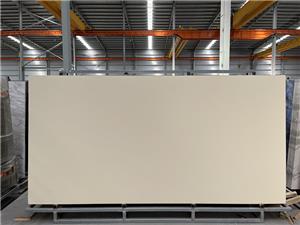
Contemporary solid colors
This variety allows designers to create different visual experiences, from luxury residential landscapes inspired by natural stone to minimalist commercial spaces featuring modern concrete aesthetics.
Large-format sintered stone tiles are particularly popular because they create a cleaner and more spacious appearance with fewer joints. This not only improves visual consistency but also reduces areas where dirt and moisture can accumulate.
The ability to coordinate indoor and outdoor surfaces is another major design advantage. For example, a residential project can use the same marble-effect sintered stone inside a home and on an outdoor terrace, creating a seamless transition between living spaces and landscape areas.
For hospitality and commercial developments, consistent material selection across entrances, terraces, restaurants, and outdoor recreational areas helps create a unified brand experience.
How to Choose the Right Outdoor Sintered Stone Tiles
Although sintered stone offers excellent outdoor performance, selecting the correct product specification is essential for achieving the best results.
The first consideration should be the intended application. A residential patio, pool deck, pedestrian walkway, and commercial plaza may require different thicknesses, finishes, and installation systems.
Tile thickness is especially important for outdoor projects. Areas with heavier loads or elevated installation systems may require thicker products to ensure sufficient strength and stability.
Surface finish selection should also match the environment. Wet areas such as pool surrounds require stronger anti-slip performance, while covered terraces may allow greater flexibility in choosing smoother decorative finishes.
Professional buyers should also evaluate supplier capabilities, including:
Product consistency and dimensional accuracy
Production capacity for large-scale projects
Quality control procedures
Technical documentation
OEM and customization capabilities
Partnering with a reliable sintered stone manufacturer helps ensure consistent quality, predictable supply, and technical support throughout the project lifecycle.
For distributors, contractors, and developers managing large projects, supplier selection is just as important as material selection.
Conclusion: A Reliable Solution for Outdoor Spaces
Outdoor environments demand materials that can withstand constant exposure to weather, moisture, sunlight, and daily use while maintaining their appearance and functionality.
Sintered stone tiles provide a comprehensive solution by combining freeze-thaw resistance, UV stability, anti-slip options, weather durability, and low maintenance requirements. These characteristics make them suitable for a wide range of applications, including residential patios, terraces, pool areas, commercial landscapes, and public spaces.
For architects, contractors, developers, and distributors, the long-term value of sintered stone lies in its ability to deliver both technical performance and design flexibility. Unlike materials that require frequent maintenance or struggle under harsh environmental conditions, sintered stone provides reliable performance with minimal upkeep.
As demand continues to grow for durable, sustainable, and visually appealing outdoor materials, sintered stone tiles are becoming an increasingly important choice for modern construction projects. By selecting the appropriate thickness, surface finish, and manufacturing partner, project teams can create outdoor spaces that remain safe, attractive, and functional for decades.