
Sintered Stone vs Granite Worktops: Cost, Durability & Value
For decades, granite has been one of the most desirable materials for premium kitchen worktops. Its natural beauty, distinctive veining, and reputation for durability have made it a popular choice among UK homeowners, architects, and property developers.
However, the market has evolved. Advances in surface technology have introduced new materials that challenge traditional assumptions about performance and value. Among them, sintered stone has emerged as a strong contender, offering exceptional durability, minimal maintenance requirements, and design versatility that appeals to contemporary kitchen projects.
As a result, many homeowners planning a renovation or new-build project are now asking the same question: should they invest in the timeless appeal of natural granite or choose a modern engineered surface designed for long-term performance?
The answer depends on more than purchase price alone. To determine which material is truly more cost-effective, it is essential to consider installation costs, maintenance requirements, durability, aesthetics, and the potential impact on future property value.
Sintered Stone vs Granite Cost in the UK
Average Material Costs
In the UK, both granite and sintered stone are considered premium worktop materials.
Granite worktops typically range from approximately £300 to £800 per square metre, depending on the stone's rarity, origin, thickness, and finish.
Sintered stone worktops generally range from £400 to £1,000+ per square metre, particularly for large-format slabs and designer collections.
At first glance, granite may appear to offer a lower entry point. However, material cost alone does not tell the whole story.
Fabrication and Installation Costs
Professional installation costs usually include:
Site measurement and templating
Slab fabrication
Transportation
Worktop fitting
Sink and hob cut-outs
Edge finishing
Sintered stone often requires specialist fabrication equipment because of its density and hardness. This can increase fabrication costs.
Granite fabrication is generally more familiar to many stone workshops, although highly complex designs can still attract significant labour costs.
What Influences Overall Project Cost?
Several factors can affect the final price of either material.
Thickness Selection
Thicker worktops require more material and fabrication work.
Kitchen Size
Larger kitchens naturally require additional slabs, increasing costs.
Sink and Hob Cut-Outs
Bespoke cut-outs, draining grooves, and integrated sinks can add to fabrication expenses.
Splashbacks and Waterfall Ends
Feature elements such as waterfall islands and full-height splashbacks can significantly influence project budgets.
Purchase Price vs Lifetime Cost
When comparing worktop materials, it is easy to focus on the initial quotation. However, true value is determined by what a surface costs over its entire lifespan.
Granite often offers a lower entry price than premium sintered stone products, making it attractive for homeowners working within a fixed renovation budget. Yet the purchase price is only one component of ownership costs.
Granite typically requires periodic sealing to maintain its resistance to stains and moisture. Depending on the level of use and the type of stone selected, homeowners may also need occasional maintenance to preserve its appearance over time.
Sintered stone generally requires no sealing and very little ongoing maintenance. Its non-porous surface helps minimise the risk of staining, while its resistance to UV exposure, heat, and everyday wear can contribute to lower long-term ownership costs.
For homeowners intending to remain in their property for many years, evaluating lifetime costs rather than installation costs alone often provides a more accurate picture of overall value.
Durability Comparison: Which Material Lasts Longer?
Scratch Resistance
Kitchen worktops endure constant daily use.
Sintered stone offers exceptional scratch resistance due to its extremely dense composition. While cutting boards should still be used, the material performs remarkably well in busy kitchens.
Granite is also highly resistant to scratching, although certain finishes and colours may show wear more readily over time.
Heat Resistance
Both materials perform exceptionally well when exposed to heat.
However, sintered stone is specifically engineered to withstand extreme temperatures and thermal shock. This makes it particularly appealing to serious home cooks.
Granite also offers excellent heat resistance but may be more susceptible to thermal stress under certain conditions.
Impact Resistance
Neither material is indestructible.
Heavy impacts along exposed edges can cause damage to both granite and sintered stone. Proper fabrication and professional installation remain essential.
UV Resistance
One area where sintered stone stands out is UV stability.
Its colour and pattern remain consistent even when exposed to prolonged sunlight, making it suitable for outdoor kitchens and garden entertaining spaces.
Granite performs reasonably well outdoors but may experience some variation in appearance over time depending on the stone type.
Long-Term Performance
When evaluated over decades of use, both materials offer impressive durability. However, sintered stone's resistance to staining, UV exposure, and moisture often gives it an advantage in long-term performance.
Maintenance Costs Over Time
Does Granite Require Sealing?
Yes.
Granite is naturally porous and typically requires periodic sealing to maintain stain resistance and protect against moisture penetration.
Although sealing is not particularly difficult, it represents an ongoing maintenance consideration.
Cleaning Requirements
Both materials are relatively easy to clean.
Daily maintenance generally involves:
Warm water
Mild detergent
Soft cloths
Neither surface requires specialised cleaning products for routine care.
Stain Resistance Comparison
Sintered stone's non-porous composition provides outstanding stain resistance.
Coffee, wine, oils, and acidic foods are less likely to penetrate the surface.
Granite performs well when properly sealed but can be more vulnerable to staining if maintenance is neglected.
Lifetime Maintenance Costs
Over a period of 10–20 years, sealing products, maintenance routines, and potential restoration work can increase the ownership cost of granite.
Sintered stone generally incurs fewer maintenance-related expenses over its lifespan.
Which Material Looks More Premium?
The Natural Beauty of Granite
One of granite's greatest strengths is its uniqueness.
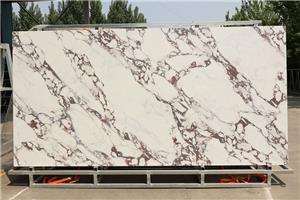
No two slabs are identical. Many homeowners appreciate the organic movement, depth, and character that natural stone brings to a kitchen.
For traditional and classic interiors, granite remains an enduring favourite.
The Contemporary Appeal of Sintered Stone
Sintered stone aligns perfectly with modern design trends.
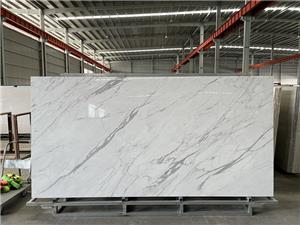
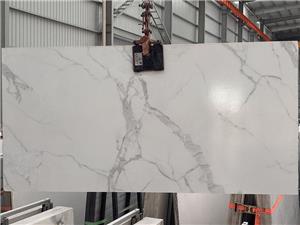
Manufacturers can create highly realistic marble-inspired surfaces, contemporary concrete effects, and minimalist designs with exceptional consistency.
The material is particularly popular in luxury kitchens featuring:
Large islands
Thin-profile worktops
Seamless splashbacks
Contemporary architectural styling
Current UK Kitchen Design Trends
Across the UK, demand continues to grow for:
Minimalist kitchens
Open-plan living spaces
Large-format surfaces
Marble-look finishes
Indoor-outdoor design continuity
These trends have contributed significantly to the increasing popularity of sintered stone.
Does Granite or Sintered Stone Add More Property Value
Why Buyers Continue to Value Natural Stone
Granite has long been associated with quality craftsmanship and premium kitchen design. Its natural origins and one-of-a-kind appearance continue to appeal to buyers who appreciate authentic materials and traditional luxury.
In many properties, particularly period homes and high-end family residences, granite remains a desirable feature that can enhance the perceived quality of a kitchen.
Why Modern Buyers Are Considering Sintered Stone
Consumer preferences are evolving. Many homeowners now prioritise low-maintenance materials that combine aesthetics with exceptional durability.
Sintered stone aligns closely with these priorities. Its resistance to stains, heat, and UV exposure appeals to buyers seeking a practical yet premium surface capable of maintaining its appearance for years.
Property Value Depends on Buyer Expectations
Neither material automatically adds more value in every situation.
In traditional and character properties, granite's natural beauty may resonate more strongly with potential buyers. In contemporary homes, luxury apartments, and architect-designed projects, sintered stone may better reflect modern design trends and buyer expectations.
Ultimately, the greatest value is achieved when the chosen surface complements the overall style and positioning of the property.
Which Material Is Right for Your Type of Project
Period and Heritage Properties
Granite often complements traditional architecture exceptionally well. Its natural variation and timeless appearance can harmonise with classic cabinetry, stone flooring, and heritage-inspired interiors.
Contemporary Open-Plan Kitchens
Sintered stone is particularly popular in modern kitchen designs where clean lines, large-format surfaces, and seamless detailing are important. Its ability to replicate marble, concrete, and other materials provides significant design flexibility.
Luxury Self-Build and Architect-Led Projects
Many architects specify sintered stone for its combination of aesthetics and technical performance. The material's resistance to heat, UV exposure, and staining makes it suitable for ambitious residential projects where durability is as important as appearance.
Outdoor Living and Entertaining Areas
Outdoor kitchens continue to grow in popularity throughout the UK. In these environments, sintered stone generally offers the strongest performance due to its UV stability and weather resistance.
Common Mistakes Homeowners Make When Comparing Sintered Stone and Granite
Focusing Only on Material Cost
The cheapest quote is not always the best investment.
Ignoring Maintenance Requirements
Long-term maintenance costs should be included in any value assessment.
Choosing Based Solely on Appearance
Performance is just as important as aesthetics.
Overlooking Future Lifestyle Needs
A growing family, outdoor entertaining plans, or future resale goals may influence the best material choice.
Quick Decision Guide
| Choose Sintered Stone If... | Choose Granite If... |
You want minimal maintenance | You prefer natural stone |
You need UV resistance | You value unique patterns |
You plan to use the surface outdoors | You favour traditional aesthetics |
You want maximum stain resistance | You appreciate geological character |
You prioritise long-term performance | You prefer natural materials |
Sintered Stone vs Granite: Which Is More Cost-Effective?
Who Should Choose Granite?
Granite is an excellent choice for homeowners who value the authenticity of natural stone, appreciate unique patterns and variations, and want a material with a long-established reputation in premium kitchen design.
It is particularly well suited to traditional homes, classic interiors, and projects where natural materials play a central role in the overall design vision.
Who Should Choose Sintered Stone?
Sintered stone is often the preferred option for homeowners seeking exceptional durability, minimal maintenance, and contemporary design flexibility.
Its performance characteristics make it especially attractive for busy family kitchens, luxury modern homes, and outdoor living spaces where long-term reliability is essential.
Final Recommendation
Both materials can create beautiful and highly functional kitchens. The most cost-effective choice depends on how the worktop will be used, the desired aesthetic, and the length of time the homeowner expects to remain in the property.
For buyers who prioritise natural beauty and individuality, granite remains a compelling option. For those seeking a low-maintenance surface designed to perform exceptionally well for decades, sintered stone frequently delivers stronger long-term value.
The Appeal of Natural Stone: What Granite Offers That Engineered Surfaces Cannot
While performance often dominates material comparisons, purchasing decisions are not based solely on technical specifications.
Granite possesses qualities that many homeowners find difficult to replicate with engineered surfaces. Every slab is formed naturally over millions of years, creating patterns, mineral variations, and colour movements that are entirely unique.
For some buyers, this individuality is a significant part of granite's appeal. Owning a worktop that cannot be exactly duplicated elsewhere adds a sense of exclusivity and authenticity to the kitchen.
Natural stone also carries a timeless prestige that continues to resonate with homeowners who value craftsmanship and traditional luxury. While sintered stone excels in consistency and performance, granite offers a connection to nature that remains highly desirable in many premium residential projects.
Frequently Asked Questions
Is sintered stone more expensive than granite?
In many cases, yes. Sintered stone often has a higher upfront cost, but lower maintenance requirements may improve its long-term value.
Does granite need to be sealed?
Most granite worktops require periodic sealing to maintain stain resistance and protect the surface.
Which lasts longer, granite or sintered stone?
Both can last for decades. Sintered stone typically offers greater resistance to UV exposure, staining, and moisture.
Can sintered stone be used outdoors?
Yes. Its UV resistance makes it particularly suitable for outdoor kitchens and entertaining areas.
Which worktop is easier to maintain?
Sintered stone generally requires less maintenance because it is non-porous and does not require sealing.
Conclusion
The comparison between sintered stone vs granite is not simply a question of price. It is a question of long-term value.
Granite continues to offer timeless natural beauty, durability, and prestige. Sintered stone delivers outstanding performance, minimal maintenance, exceptional design versatility, and excellent suitability for modern lifestyles.
The best choice depends on how you define value. If long-term performance, ease of ownership, and contemporary design are your priorities, sintered stone may prove the more cost-effective investment. If you appreciate the character and uniqueness of natural stone, granite remains a highly desirable option.
Before making a final decision, request material samples, compare finishes in person, and obtain tailored quotations based on your project requirements. A well-informed choice today can enhance the beauty, functionality, and value of your home for many years to come.