
Why Designers and Contractors Choose Sintered Stone for Kitchen Countertops
When designers and contractors select materials for kitchen countertops, the decision goes far beyond appearance. Performance reliability, fabrication consistency, and long-term client satisfaction all influence what gets specified—and what gets avoided.
In recent years, sintered stone kitchen countertops have become a preferred choice among professionals working on high-end residential and commercial projects. Here’s why.
1. What Professionals Prioritize When Specifying Countertops
Designers and contractors evaluate materials differently than end users. Their priorities are rooted in predictability, performance, and risk management.
Performance Metrics That Matter
Professionals look for materials that consistently meet or exceed expectations in:
Heat resistance
Scratch resistance
Stain resistance
UV stability
Structural strength
Failures after installation cost time, money, and reputation.
Consistency Across Slabs
Designers need confidence that slabs will:
Match samples
Perform uniformly
Deliver repeatable results across projects
Inconsistent natural materials can introduce risk during fabrication and installation.
Fabrication Predictability
Contractors favor materials that:
Cut cleanly
Hold edges well
Perform consistently during installation
Predictable materials reduce waste, delays, and callbacks.
2. Material Workability in Real Projects
Beyond performance, workability plays a major role in professional material selection.
Cuts and Edge Profiles
Sintered stone supports:
Straight and mitered edges
Waterfall installations
Thin-profile designs
Its dense composition allows for clean, precise fabrication.
Integration With Appliances & Fixtures
Modern kitchens often include:
Undermount sinks
Integrated cooktops
Flush-mounted appliances
Sintered stone accommodates these integrations with minimal structural compromise.
Installation Efficiency
For contractors, installation speed and reliability matter. Materials that are:
Dimensionally stable
Resistant to warping
Less prone to on-site damage
help keep projects on schedule.
3. Sintered Stone Explained: Why Professionals Trust It
Understanding how sintered stone is made explains why it performs so reliably.
Factory Manufacturing Process
Sintered stone is produced by:
Compressing natural minerals under extreme pressure
Firing at ultra-high temperatures
This process eliminates porosity and weak points found in many natural and engineered stones.
Manufacturer Quality Control
Unlike quarried materials, sintered stone slabs are manufactured under strict quality standards:
Controlled thickness
Uniform density
Predictable performance characteristics
For professionals, this consistency reduces uncertainty at every stage of the project.
4. Designer & Contractor Case Insights
Across residential and commercial projects, professionals increasingly specify sintered stone for:
High-End Residential Kitchens
Designers appreciate the ability to deliver:
Marble-inspired aesthetics
Low maintenance surfaces
Long-term durability for homeowners
Commercial & Hospitality Kitchens
For commercial kitchens, performance is non-negotiable.
Best materials for commercial kitchen countertops must handle:
High heat
Heavy daily use
Strict hygiene requirements
Sintered stone meets these demands while maintaining a premium appearance.
Trade Preferences
Many professionals report choosing sintered stone to:
Reduce maintenance complaints
Avoid sealing issues
Deliver consistent results across multiple projects
5. Taj Mahal Sintered Stone in Professional Use
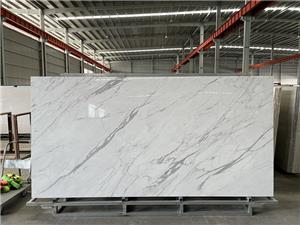
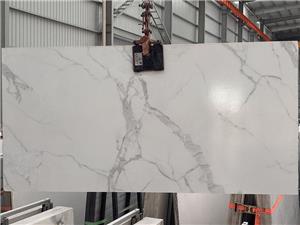
Among marble-look options, Taj Mahal sintered stone has become a frequent specification choice.
Why Designers Favor Taj Mahal
Soft, elegant veining inspired by natural quartzite
Neutral tones that work across multiple design styles
Consistent slab appearance across large installations
This makes Taj Mahal a designer favorite for luxury kitchens.
Contractor Experience
Contractors often note:
Predictable fabrication
Strong edge performance
Reliable installation outcomes
These qualities reduce on-site risk and rework.
Where It’s Commonly Used
Taj Mahal sintered stone is specified for:
Kitchen countertops
Large islands
Waterfall edges
Open-plan residential kitchens
Boutique commercial projects
It delivers a balance of design flexibility and professional-grade performance.
Why Professionals Continue to Choose Sintered Stone
For designers and contractors, material choice is about delivering:
Reliable performance
Visual consistency
Long-term client satisfaction
The benefits of sintered stone kitchen countertops—from heat resistance to low maintenance—align closely with professional priorities.
As kitchen design evolves toward larger surfaces, integrated appliances, and performance-driven spaces, sintered stone continues to stand out as a trusted specification material.
Next Steps for Designers & Contractors
If you’re evaluating materials for upcoming kitchen projects:
Explore sintered stone kitchen countertops for performance-focused designs
Review marble-look options like Taj Mahal sintered stone
Request samples or technical specifications for project planning
FAQs
1. Why do designers prefer sintered stone over natural stone for kitchen countertops?
Designers prefer sintered stone because it offers consistent appearance, predictable performance, and low maintenance. Unlike natural stone, sintered stone is non-porous, does not require sealing, and provides uniform slab quality—reducing design risk while delivering a high-end look suitable for modern kitchens.
2. Is sintered stone suitable for commercial kitchen countertops?
Yes. Sintered stone is one of the best materials for commercial kitchen countertops due to its heat resistance, scratch resistance, stain resistance, and hygienic non-porous surface. These properties make it well suited for high-traffic kitchens in hospitality, retail, and professional environments.
3. How does sintered stone perform during fabrication and installation?
Contractors value sintered stone for its dimensional stability and fabrication predictability. It supports precise cutting, mitered edges, and complex installations such as waterfall countertops. Its consistent density helps reduce breakage, rework, and installation delays when handled by experienced fabricators.
4. Why is Taj Mahal sintered stone a designer favorite for kitchen projects?
Taj Mahal sintered stone is a designer favorite because it delivers a refined marble-inspired aesthetic with professional-grade performance. Its soft veining, neutral color palette, and consistent slab quality make it easy to specify across multiple projects while meeting durability and maintenance expectations.