
How Much Do Sintered Stone Countertops Cost in 2026? (Complete Price Guide)
Sintered stone countertops have become one of the most in-demand architectural surface materials worldwide. Known for their durability, heat resistance, and modern design flexibility, these ultra-compact surfaces are increasingly used in residential kitchens, commercial buildings, hospitality projects, and luxury developments.
However, one of the most common questions buyers ask is:
How much do sintered stone countertops cost in 2026?
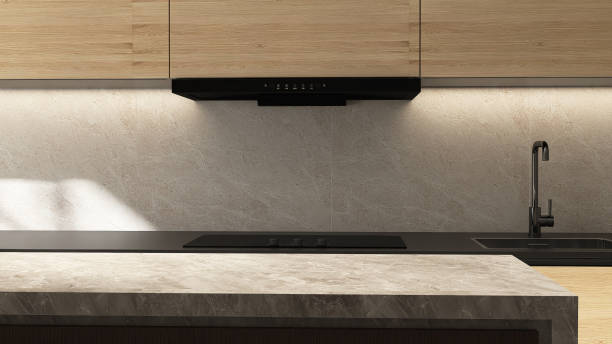
The answer depends on several factors, including slab thickness, manufacturing brand, fabrication complexity, and project scale. For contractors, distributors, and developers purchasing large volumes of material, understanding these pricing factors is essential for budgeting and procurement.
In this guide, we break down:
the average price of sintered stone countertops in 2026
cost differences between retail and wholesale purchasing
the main factors affecting pricing
how bulk buyers can significantly reduce costs
sourcing strategies for large commercial projects
If you are planning a project requiring more than 1,000 square meters of sintered stone surfaces, this article will help you understand how pricing works and how to optimize your material sourcing.
Average Cost of Sintered Stone Countertops in 2026
The price of sintered stone countertops varies depending on the brand, design complexity, and fabrication requirements. In general, the cost can be divided into three main components:
raw slab material
fabrication and cutting
installation and logistics
Typical Retail Prices
For residential projects purchased through retail distributors, the price range is usually:
| Category | Price per Square Meter |
|---|---|
| Entry-level sintered stone | $120 – $200 |
| Mid-range designer slabs | $200 – $350 |
| Premium luxury slabs | $350 – $600+ |
Retail pricing includes markup from distributors, fabrication workshops, and installation contractors.
For homeowners purchasing small quantities, the final installed price of sintered stone countertops can reach $400–$800 per square meter depending on design complexity.
Wholesale Pricing for Large Projects
For B2B buyers purchasing large volumes of slabs directly from manufacturers, the pricing structure is very different.
Typical wholesale material prices:
| Slab Thickness | Wholesale Price Range |
|---|---|
| 6 mm slabs | $25 – $45 / m² |
| 12 mm slabs | $35 – $65 / m² |
| 20 mm slabs | $55 – $95 / m² |
For orders exceeding 1,000–3,000 square meters, manufacturers often offer:
project-based pricing
shipping discounts
custom color production
This significantly reduces the cost compared to retail purchasing.
For example:
A developer purchasing 2,000 m² of sintered stone slabs may reduce material costs by 40–60% compared to retail pricing.
Key Factors Affecting the Price of Sintered Stone Countertops
Understanding what affects the price of sintered stone countertops can help buyers optimize their procurement strategy.
1. Slab Thickness
Thickness is one of the main pricing factors.
Typical options include:
6 mm slabs – used for wall cladding and lightweight applications
12 mm slabs – the most common thickness for countertops
20 mm slabs – used for heavy-duty commercial surfaces
Thicker slabs require more raw materials and energy during production, which increases cost.
However, many fabricators can laminate thinner slabs to create thicker visual edges while keeping material costs lower.
2. Slab Size
Modern sintered stone manufacturers produce large-format slabs, which reduce seams in countertop installations.
Typical sizes include:
3200 × 1600 mm
3000 × 1400 mm
3000 × 1200 mm
Large slabs require specialized manufacturing equipment and transportation logistics, which can affect pricing.
However, they often reduce installation costs because fewer seams are needed.
3. Surface Design and Pattern
Simple solid colors are generally more affordable than complex patterns.
Pricing tiers usually include:
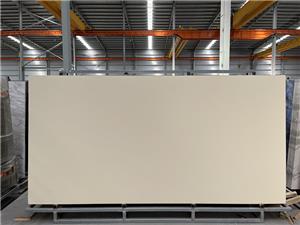
Standard Colors
Basic black, white, or grey surfaces.
Lowest production cost.
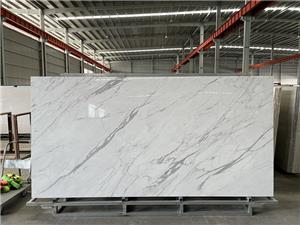
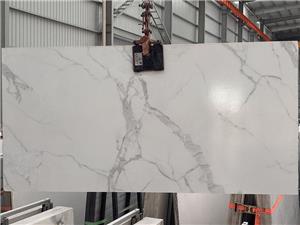
Marble-Look Designs
Calacatta or Carrara patterns created using digital printing technology.
Moderate pricing.
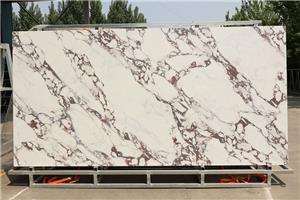
Luxury Designer Surfaces
Bookmatched patterns or custom artistic designs.
Highest pricing tier.
4. Surface Finish
The finish applied to the slab can also influence the price.
Common finishes include:
polished finish
matte finish
honed finish
textured finish
Honed or matte finishes are increasingly popular because they reduce glare and fingerprints.
Some specialized finishes require additional processing steps, which may increase the overall price.
5. Fabrication Complexity
The cost of turning a slab into a finished countertop depends on fabrication requirements.
Fabrication processes include:
cutting the slab to size
polishing edges
drilling sink or faucet openings
creating edge profiles
Complex designs such as waterfall islands or curved edges require more labor and specialized tools.
For large commercial projects, fabrication costs may represent 30–40% of the total countertop cost.
Cost Comparison: Sintered Stone vs Other Countertop Materials
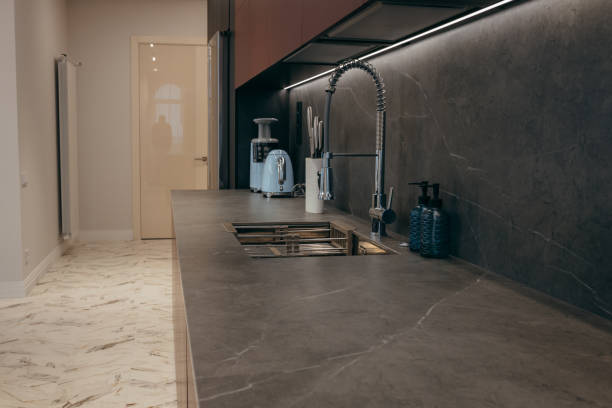
To better understand the value of sintered stone, it is useful to compare its cost with other popular materials.
| Material | Typical Installed Price |
|---|---|
| Laminate countertops | $50 – $150 / m² |
| Quartz countertops | $200 – $500 / m² |
| Granite countertops | $250 – $600 / m² |
| Marble countertops | $300 – $800 / m² |
| Sintered stone countertops | $250 – $700 / m² |
While sintered stone may not be the cheapest material, its long lifespan and low maintenance requirements often make it more cost-effective over time.
Cost Advantages for Large B2B Buyers
Large-scale buyers benefit from significant cost advantages when sourcing sintered stone directly from manufacturers.
These buyers typically include:
real estate developers
hotel construction companies
kitchen cabinet manufacturers
building material distributors
stone fabricators
When purchasing more than 1,000 square meters, buyers can often negotiate:
Factory Direct Pricing
Eliminates multiple distributor markups.
Project Discounts
Manufacturers may offer special pricing for large construction projects.
Custom Production
Large orders may qualify for custom colors or patterns.
Container Shipping Optimization
Ordering full containers reduces shipping costs per square meter.
These advantages make wholesale sourcing highly attractive for large projects.
Estimated Project Cost Example
Consider a hotel renovation project requiring 1,500 square meters of sintered stone countertops.
Retail Purchasing
Average installed price:
$450 / m²
Total cost:
$675,000
Factory Direct Purchasing
Average slab cost:
$55 / m²
Fabrication and installation:
$180 / m²
Total installed price:
$235 / m²
Total project cost:
$352,500
This example shows how direct sourcing can reduce total project costs by nearly 50%.
How to Reduce the Cost of Sintered Stone Countertops
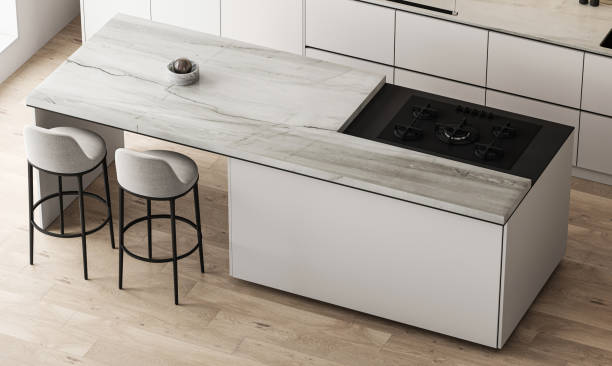
For contractors and distributors, several strategies can help reduce costs.
Buy Directly from Manufacturers
Working with a sintered stone factory removes distributor markups.
Optimize Slab Layout
Efficient cutting patterns reduce material waste.
Choose Standard Colors
Custom patterns may increase production costs.
Consolidate Orders
Ordering larger quantities reduces logistics costs.
Plan Fabrication Early
Design adjustments made during planning can reduce fabrication complexity.
Choosing a Reliable Sintered Stone Supplier
For large projects, selecting the right supplier is critical.
Important factors to consider include:
Production Capacity
Ensure the factory can produce the required volume.
Quality Control
Consistent slab thickness and pattern quality are essential.
Global Shipping Experience
Export logistics can significantly affect project timelines.
Technical Support
Experienced suppliers provide fabrication guidance and installation recommendations.
Working with a professional sintered stone manufacturer ensures consistent quality and reliable delivery for large projects.
Conclusion
The cost of sintered stone countertops in 2026 varies widely depending on slab thickness, design complexity, fabrication requirements, and purchasing scale.
For small residential projects, retail prices may range from $250 to $700 per square meter installed.
However, large-scale buyers purchasing directly from manufacturers can significantly reduce costs. By sourcing slabs in bulk and optimizing fabrication, developers and contractors can achieve substantial savings while benefiting from the durability and aesthetic versatility of sintered stone surfaces.
As modern architecture increasingly favors large-format, high-performance materials, sintered stone countertops are expected to remain one of the most important surface materials in residential and commercial construction.
For distributors, contractors, and developers, understanding these pricing factors is the first step toward making cost-effective purchasing decisions for large projects.