
What Are Sintered Stone Countertops? The Complete Guide for 2026
What Are Sintered Stone Countertops? The Complete Guide for 2026
Sintered stone countertops have become one of the fastest-growing surface materials in modern architecture and kitchen design. Combining advanced manufacturing technology with natural mineral materials, sintered stone countertops offer exceptional durability, heat resistance, and design versatility for both residential and commercial spaces.
In recent years, architects, interior designers, contractors, and distributors have increasingly chosen sintered stone countertop surfaces as an alternative to quartz, granite, and marble. These ultra-compact surfaces are manufactured using extremely high heat and pressure, creating a dense material that is highly resistant to scratches, stains, UV light, and temperature changes.
Because of these properties, sintered stone worktops are now widely used in kitchens, bathrooms, restaurants, hotels, and commercial projects around the world.
In this complete guide, we will explain:
what sintered stone countertops are
how they are manufactured
their advantages and disadvantages
how they compare to other countertop materials
available sizes, finishes, and thicknesses
cost considerations for buyers and distributors
Whether you are a homeowner researching materials or a contractor sourcing surfaces, this guide will help you understand why sintered stone countertops are becoming a preferred material in modern construction and design.
What Is Sintered Stone?
Sintered stone is an engineered surface material created by combining natural minerals and compacting them under extremely high pressure and heat. The process replicates the geological conditions that form natural stone over thousands of years, but it is completed within a few hours using advanced manufacturing technology.
The raw materials typically used in sintered stone include:
natural quartz minerals
feldspar
silica
clay and other mineral pigments
These materials are finely ground, blended, and then compressed into large slabs. The slabs are fired in specialized kilns at temperatures that often exceed 1200°C (2192°F).
During this process, the mineral particles fuse together without the need for resins or chemical binders. This results in an ultra-compact surface with very low porosity and exceptional structural strength.
Compared with traditional stone materials, sintered stone slabs offer higher resistance to heat, scratches, stains, and UV exposure. These properties make them suitable for a wide range of indoor and outdoor applications, including countertops, wall cladding, flooring, and furniture surfaces.
Because of these performance characteristics, sintered stone has become one of the most innovative materials in the architectural surface industry.
What Are Sintered Stone Countertops?
Sintered stone countertops are countertop surfaces fabricated from large-format sintered stone slabs. These slabs are cut, finished, and installed to create durable work surfaces for kitchens, bathrooms, and commercial environments.
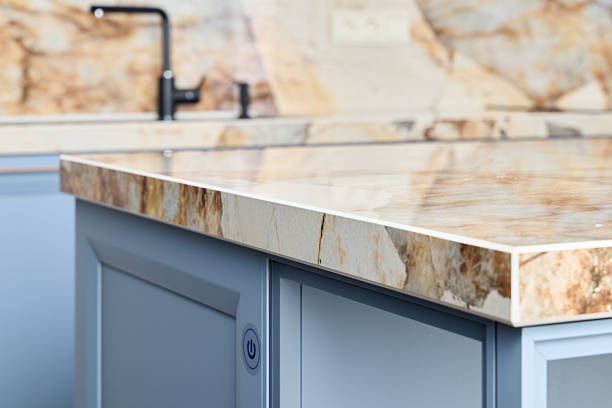
Modern sintered stone slabs are typically produced in large formats, allowing fabricators to create seamless countertops with fewer joints. Common slab sizes include:
3200 × 1600 mm
3000 × 1400 mm
3000 × 1200 mm
The slabs are available in several thickness options, most commonly:
6 mm (used for wall cladding and lightweight surfaces)
12 mm (popular for countertops)
20 mm (heavy-duty surfaces)
After manufacturing, slabs are cut and shaped by professional fabricators to create:
kitchen countertops
bathroom vanity tops
kitchen islands
commercial work surfaces
outdoor countertops
Thanks to their density and durability, sintered stone kitchen countertops are increasingly used in high-traffic areas where traditional materials may wear more quickly.
How Sintered Stone Countertops Are Manufactured
The manufacturing process for sintered stone countertops involves several advanced production stages designed to create an ultra-dense surface.
1. Raw Material Selection
Natural minerals such as quartz, feldspar, and silica are carefully selected for their strength, stability, and color properties.
2. Mineral Grinding and Mixing
The raw materials are ground into fine particles and blended together to create a uniform mixture.
3. High-Pressure Compaction
The mineral mixture is pressed under extremely high pressure, often exceeding 15,000 tons, to form large slabs.
4. High-Temperature Sintering
The compacted slabs are fired in industrial kilns at temperatures of approximately 1200°C. This heat causes the mineral particles to fuse together.
5. Surface Finishing
After firing, the slabs may receive different surface finishes, including:
polished
honed
matte
textured
These finishing techniques create the final appearance and texture of the sintered stone surface.
This advanced production process is what gives sintered stone countertops their exceptional durability and performance.
Benefits of Sintered Stone Countertops
One of the main reasons for the rising popularity of sintered stone countertops is their outstanding performance characteristics.
Heat Resistance
Sintered stone surfaces can withstand extremely high temperatures without damage. Hot cookware can usually be placed directly on the surface without causing discoloration or cracking.
Scratch Resistance
The dense mineral composition of sintered stone makes it highly resistant to scratches from knives, utensils, and everyday kitchen use.
Stain Resistance
Unlike some natural stones, sintered stone has very low porosity. This means liquids such as wine, coffee, and oil are less likely to penetrate the surface.
UV Resistance
Sintered stone surfaces do not fade when exposed to sunlight, making them ideal for outdoor kitchens and exterior installations.
Hygienic and Easy to Clean
Because of their non-porous structure, sintered stone countertops are easy to clean and maintain. Regular cleaning with mild soap and water is usually sufficient.
Long Lifespan
With proper installation and maintenance, sintered stone countertops can last for many years without significant wear or deterioration.
Disadvantages of Sintered Stone Countertops
While sintered stone offers many advantages, there are also a few considerations to keep in mind.
Professional Fabrication Required
Due to the hardness and density of sintered stone, specialized cutting tools and experienced fabricators are required for installation.
Installation Complexity
Improper handling or installation may increase the risk of edge chipping during fabrication.
Higher Initial Cost
Compared with laminate or some quartz surfaces, sintered stone countertops may have a higher upfront cost. However, their durability often provides long-term value.
Understanding the pros and cons of sintered stone countertops helps buyers choose the most suitable material for their projects.
Sintered Stone vs Other Countertop Materials
When selecting countertop materials, buyers often compare sintered stone with other popular options.
Sintered Stone vs Quartz Countertops
Quartz countertops are engineered surfaces made with natural quartz particles and resin binders.
Key differences include:
sintered stone has better heat resistance
quartz may discolor under extreme heat
sintered stone contains no resins
Sintered Stone vs Granite Countertops
Granite is a natural stone that offers durability and unique patterns.
However:
granite may require periodic sealing
sintered stone is typically non-porous and easier to maintain
Sintered Stone vs Marble Countertops
Marble is valued for its luxury appearance but is softer and more porous.
Sintered stone offers:
higher scratch resistance
better stain resistance
Sintered Stone vs Porcelain Slab Countertops
Both materials are manufactured using similar technologies, but sintered stone slabs are often thicker and designed for structural applications.
These comparisons help architects and contractors determine the best material for specific projects.
Where Are Sintered Stone Countertops Used?
Because of their strength and durability, sintered stone countertops are used in many types of environments.
Common applications include:
Residential Kitchens
Modern kitchens frequently use sintered stone kitchen countertops for their durability and elegant appearance.
Bathroom Vanity Tops
The low porosity of sintered stone makes it suitable for moisture-prone environments such as bathrooms.
Outdoor Kitchens
UV resistance allows sintered stone surfaces to maintain their color and performance outdoors.
Restaurants and Hospitality
Commercial kitchens, bars, and hotels benefit from the material’s resistance to heat, stains, and heavy use.
Commercial Buildings
Office buildings and retail environments often use sintered stone surfaces for reception desks and countertops.
Sizes, Thicknesses, and Finishes
Sintered stone slabs are available in several sizes, thicknesses, and finishes to suit different applications.
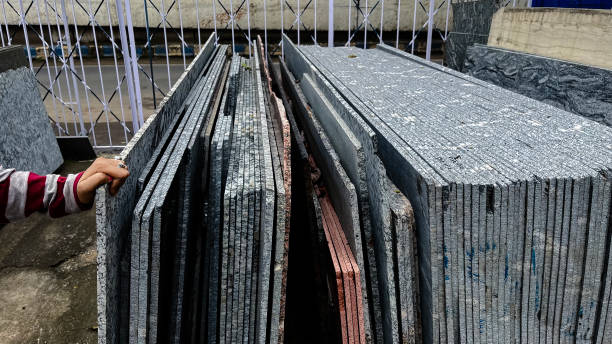
Slab Sizes
Large-format slabs allow designers to create seamless surfaces with minimal joints.
Common sizes include:
3200 × 1600 mm
3000 × 1400 mm
3000 × 1200 mm
Thickness Options
Different thicknesses are used depending on the application.
Typical options include:
6 mm
12 mm
20 mm
Surface Finishes
Sintered stone countertops are available in a variety of finishes, including:
polished finish
honed finish
matte finish
textured finish
For example, honed sintered stone countertops offer a smooth matte surface that reduces glare and fingerprints.
Cost of Sintered Stone Countertops
The cost of sintered stone countertops varies depending on several factors.
Important pricing factors include:
slab brand and manufacturer
slab thickness
fabrication complexity
edge profiles
installation and transportation
In general, sintered stone countertops cost more than laminate surfaces but are comparable to high-quality quartz or natural stone countertops.
For distributors and contractors, wholesale sourcing from reliable manufacturers can significantly reduce material costs.
Are Sintered Stone Countertops Worth It?
For many modern projects, sintered stone countertops provide excellent long-term value.
Key reasons include:
exceptional durability
resistance to heat and stains
minimal maintenance requirements
wide variety of colors and finishes
These advantages make sintered stone surfaces a strong choice for both residential and commercial installations.
How to Choose the Right Sintered Stone Countertops
When selecting sintered stone countertops for a project, several factors should be considered.
Thickness
Choose the appropriate thickness depending on structural requirements.
Finish
Matte or honed finishes are often used for contemporary designs, while polished surfaces create a more luxurious appearance.
Color and Pattern
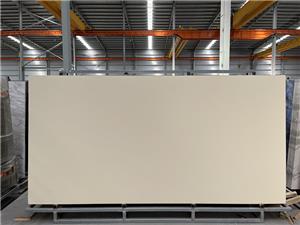
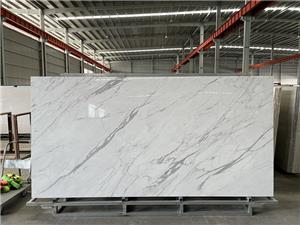
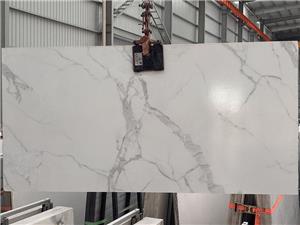
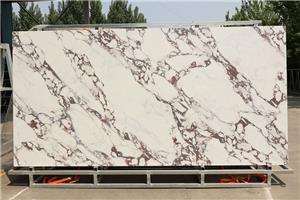
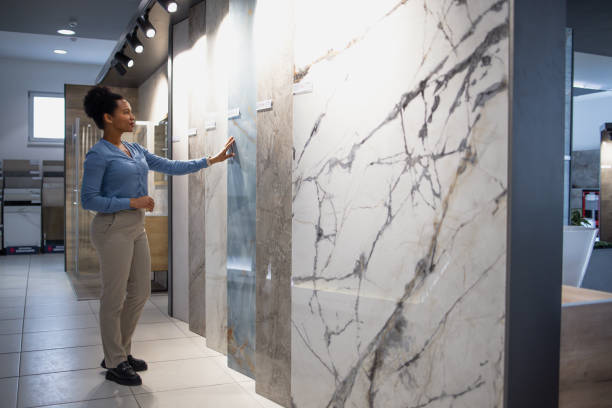
Sintered stone is available in many designs, including marble-look patterns and solid colors.
Supplier Reliability
Working with a reputable sintered stone supplier ensures consistent quality and reliable delivery.
Frequently Asked Questions
Are sintered stone countertops durable?
Yes. The high density created during the sintering process makes these surfaces extremely durable.
Can sintered stone countertops chip?
While the material is very strong, improper handling during fabrication or installation may cause edge chipping.
Are sintered stone countertops heat resistant?
Yes. Sintered stone can withstand very high temperatures.
Are sintered stone countertops good for outdoor kitchens?
Yes. UV resistance allows the surface to maintain color and performance outdoors.
How long do sintered stone countertops last?
With proper installation and care, sintered stone countertops can last for many years.
Conclusion
Sintered stone countertops represent one of the most advanced surface materials available today. By combining natural minerals with cutting-edge manufacturing technology, they offer exceptional durability, heat resistance, and design flexibility.
These qualities make sintered stone worktops ideal for modern kitchens, bathrooms, and commercial spaces where both performance and aesthetics are important.
As demand for durable and low-maintenance surfaces continues to grow, sintered stone countertops are likely to remain a leading material choice for architects, designers, and contractors worldwide.