
Why Sintered Stone Is Outperforming Standard Engineered Quartz in Commercial Applications
Commercial surface selection has changed dramatically over the past five years. Procurement teams are no longer comparing materials based only on appearance and price. Today, compliance requirements, lifecycle cost, worker safety, durability, and outdoor performance all influence specification decisions.
As silica regulations tighten and hospitality projects demand higher durability, many commercial buyers are reassessing the traditional dominance of engineered quartz. Increasingly, they are shifting toward sintered stone as a next-generation solution.
In this guide, we provide a practical, procurement-focused comparison of sintered stone vs engineered quartz, explaining why sintered stone is outperforming standard quartz in commercial applications in 2026.
Understanding the Core Differences Between Sintered Stone and Engineered Quartz
What Is Sintered Stone?
Sintered stone is an ultra-compact surface manufactured using extreme heat and pressure to fuse natural minerals into a dense, non-porous slab. The production process simulates the natural metamorphic formation of stone but accelerates it using industrial technology.
Key characteristics:
No resin binders
Extremely low porosity
UV stable
High heat resistance
Suitable for indoor and outdoor use
Available in large-format slabs
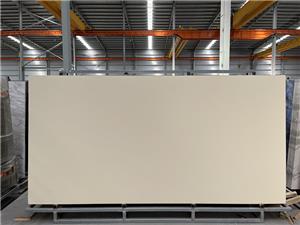
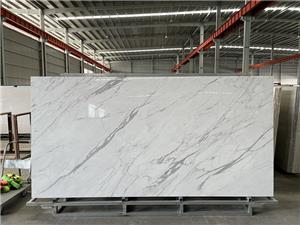
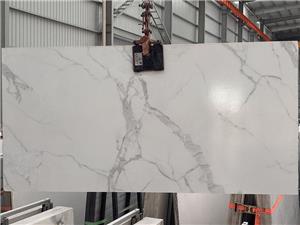
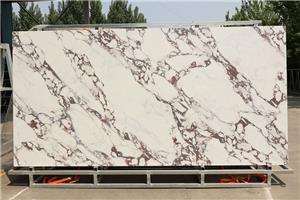
Explore full specifications on our Sintered Stone Slabs Collection.
What Is Standard Engineered Quartz?
Engineered quartz typically consists of crushed quartz particles combined with polymer resin binders. While it has dominated residential countertops for years, its resin content creates certain limitations.
Typical characteristics:
Resin-based composition
Good indoor durability
Limited UV resistance
Sensitive to high direct heat
Fabrication generates silica dust
While quartz remains common in residential kitchens, commercial buyers are increasingly identifying performance gaps in demanding environments.
Performance Comparison for Commercial Countertops
Below is a decision-focused comparison relevant to architects and procurement managers.
Heat Resistance
Commercial kitchens, buffet stations, and hospitality bars require surfaces that tolerate direct heat exposure.
Sintered stone:
Withstands high temperatures
Resistant to thermal shock
Suitable for commercial kitchens
Engineered quartz:
Resin can discolor under extreme heat
Trivets required
Risk of surface damage in high-output kitchens
For projects requiring a heat resistant countertop material, sintered stone offers a clear advantage.
UV Stability and Outdoor Applications
Outdoor kitchens and rooftop hospitality venues are expanding rapidly.
Sintered stone:
UV stable
Colorfast under sunlight
Ideal for exterior use
Engineered quartz:
Resin can yellow or fade
Generally not recommended for outdoor installations
Learn more about outdoor performance in our Outdoor Countertop Solutions Guide.
Scratch and Impact Resistance
High-traffic commercial environments demand superior durability.
Sintered stone:
Dense surface structure
Strong scratch resistance
Ideal for retail counters and public spaces
Engineered quartz:
Durable but softer due to resin matrix
May show wear in high-volume areas
Stain and Chemical Resistance
In healthcare, restaurants, and laboratories, cleaning protocols involve strong chemicals.
Sintered stone:
Highly resistant to acids and cleaning agents
Non-porous structure reduces contamination risk
Engineered quartz:
Resistant to common stains
Harsh chemicals may affect resin over time
Silica Regulations and Worker Safety Considerations
One of the most significant developments influencing 2026 material decisions is the tightening of crystalline silica exposure regulations in fabrication workshops worldwide.
Engineered quartz fabrication produces respirable crystalline silica dust. Regulatory scrutiny has increased in multiple regions, leading to:
Enhanced compliance costs
Investment in dust suppression systems
Increased insurance premiums
Liability concerns
Sintered stone manufacturers are responding with lower-silica formulations and alternative mineral compositions. While fabrication still requires professional safety protocols, many commercial buyers see sintered stone as a strategic long-term compliance decision.
For distributors and fabricators, sourcing from a responsible manufacturer is essential.
Lifecycle Cost Analysis: Which Material Delivers Better ROI?
Procurement decisions extend beyond upfront slab pricing.
Initial Material Cost
Engineered quartz often appears slightly less expensive at the entry level. However, commercial-grade quartz products narrow the pricing gap significantly.
Sintered stone pricing varies based on thickness, format, and finish. For large-scale developments, bulk procurement often improves cost efficiency.
Installation and Fabrication Considerations
Sintered stone:
Requires specialized cutting tools
Strong structural performance reduces breakage risk
Large-format slabs reduce seam lines
Engineered quartz:
Familiar fabrication process
May require additional reinforcement in large spans
While fabrication processes differ, many commercial contractors now have experience working with ultra-compact surfaces.
Long-Term Maintenance and Replacement
In hospitality and retail environments, surface replacement is disruptive and costly.
Sintered stone:
Superior heat and UV resistance
Lower long-term failure risk
Reduced maintenance costs
Engineered quartz:
Potential discoloration in sunlit areas
Resin vulnerability over time
When evaluating sintered stone vs quartz countertops cost, long-term ROI often favors sintered stone for commercial projects.
Why Architects and Designers Are Specifying Sintered Stone in 2026
Performance alone does not drive adoption. Design flexibility is equally important.
Large Format Slabs and Seamless Installations
Sintered stone is available in large-format slabs that allow:
Fewer seams
Clean waterfall edges
Modern monolithic aesthetics
See available formats in our Large Format Sintered Stone Slabs Catalog.
Marble-Look Aesthetics
Advanced printing and mineral blending techniques allow sintered stone to replicate:
Calacatta-style veining
Travertine textures
Industrial concrete finishes
For hospitality and luxury residential developments, this creates a balance between durability and design appeal.
Sustainability Positioning
Developers increasingly request materials aligned with sustainability goals.
Many sintered stone products:
Use natural minerals
Contain recycled content
Offer long lifecycle performance
For LEED-oriented projects, surface durability contributes to long-term environmental efficiency.
Best Commercial Applications for Sintered Stone Countertops
Sintered stone performs exceptionally in the following environments:
Hotels and resorts
Restaurant kitchens and buffets
Healthcare facilities
Retail cashier counters
Airport lounges
Outdoor hospitality bars
Multi-unit residential developments
When Engineered Quartz May Still Be Suitable
Engineered quartz may rem ain appropriate for:
Budget-sensitive residential projects
Indoor-only applications
Low-heat environments
Short-term developments
For residential distributors serving mid-market housing projects, quartz can still meet client expectations when performance requirements are moderate.
Balanced evaluation strengthens trust with procurement teams.
How to Choose a Reliable Sintered Stone Supplier for Commercial Projects
Supplier reliability directly affects project timelines and profitability.
When selecting a sintered stone slabs supplier, evaluate:
Slab size availability
Thickness options
Color consistency across batches
Inventory stability
Export experience
Technical documentation
Compliance certification
At My Stone Supplier, we support distributors and developers with:
Bulk inventory programs
Custom finishes
International export logistics
Dedicated B2B technical support
Frequently Asked Questions
Is sintered stone more durable than engineered quartz?
In high-heat and UV-exposed environments, sintered stone generally demonstrates superior durability.
Can sintered stone be used for outdoor commercial kitchens?
Yes. Its UV stability and heat resistance make it suitable for exterior installations.
Is sintered stone more expensive than quartz?
Upfront pricing may vary, but lifecycle cost often favors sintered stone in commercial projects.
Does sintered stone contain crystalline silica?
Composition varies by manufacturer. Always verify technical data sheets and compliance certifications.
Final Thoughts: Strategic Material Selection in 2026
The debate around sintered stone vs engineered quartz is no longer purely aesthetic. It now involves compliance, durability, long-term ROI, and design flexibility.
For commercial buyers, hospitality developers, and distributors seeking future-ready surfaces, sintered stone offers:
Superior heat and UV performance
Enhanced durability
Modern large-format design flexibility
Strong long-term cost efficiency
As commercial construction standards evolve, sintered stone is not merely an alternative to quartz — it is increasingly becoming the preferred specification.
For bulk orders, technical sheets, or distributor partnerships, explore our full Sintered Stone Countertops Program.