
What Are Sintered Stone Slabs? Manufacturing, Properties, and Applications
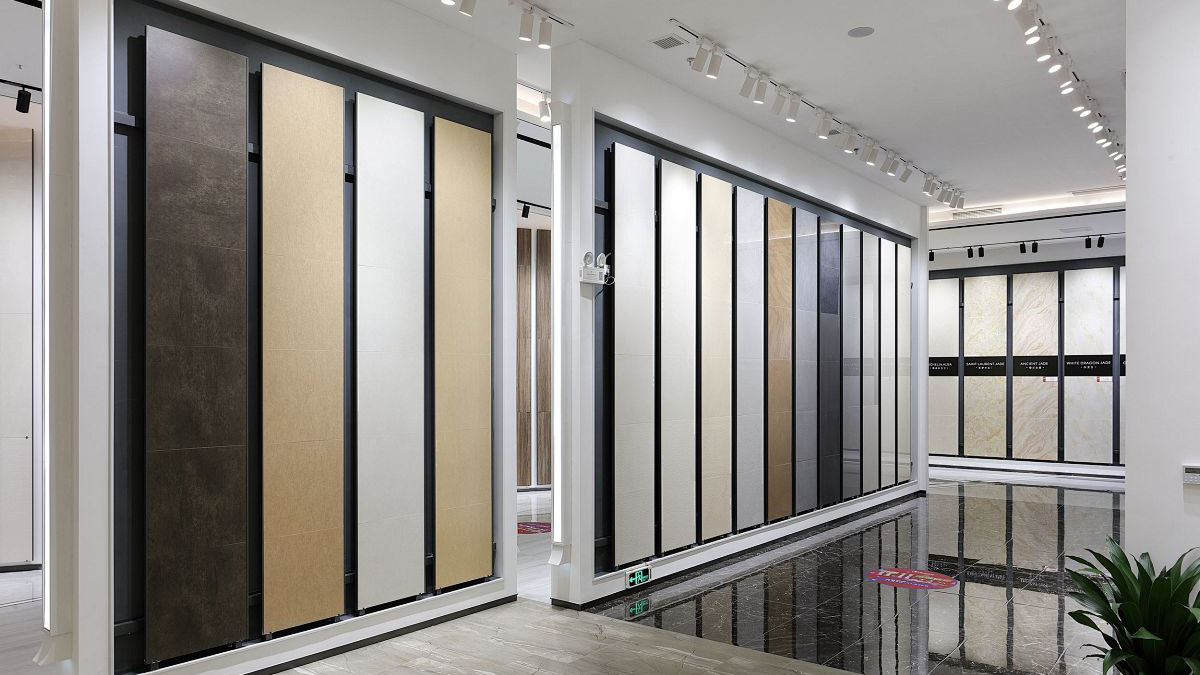 What Are Sintered Stone Slabs? Manufacturing, Properties, and Applications
Introduction: Why Sintered Stone Slabs Matter Today
Sintered stone slabs have rapidly become one of the most discussed surface materials in modern architecture and interior design. From large-scale commercial projects to high-end residential kitchens, architects and developers increasingly specify sintered stone for its durability, consistency, and technical performance.
But what exactly is sintered stone? How is it manufactured, what properties make it different from natural stone or quartz, and where does it perform best?
This guide answers those questions in depth. It is written for professionals—architects, designers, developers, and importers—who need a clear, technically accurate understanding of sintered stone slabs before specifying or sourcing them.
What Are Sintered Stone Slabs?
Sintered stone slabs are engineered surface materials manufactured by compressing and heating natural raw materials—such as minerals, clays, feldspar, and silica—under extreme conditions. The process mimics the natural geological formation of stone, but accelerates it from thousands of years into a matter of hours.
The result is a dense, non-porous slab with highly consistent physical properties. Unlike natural stone, sintered stone contains no resins or organic binders. Unlike quartz surfaces, it is not dependent on polymer content for strength or appearance.
In practical terms, sintered stone slabs are designed to perform reliably in demanding environments where heat resistance, UV stability, and low maintenance are essential.
How Sintered Stone Slabs Are Manufactured
Understanding the manufacturing process is key to understanding why sintered stone performs the way it does.
1. Raw Material Selection
The process begins with carefully selected natural minerals. These materials are chosen for purity, particle size consistency, and chemical stability. Common components include:
Silica and quartz minerals for hardness
Feldspar for vitrification
Natural clays for structural cohesion
Mineral oxides for color and veining
The absence of resins or petrochemical binders is a defining characteristic of sintered stone.
2. Micronization and Blending
Raw materials are ground into ultra-fine particles (often below 50 microns). This micronization allows for extremely uniform blending and contributes to the final slab’s density and mechanical strength.
Pigments and design elements—such as marble-style veining—are introduced at this stage using controlled digital or layering techniques.
3. High-Pressure Compaction
The blended material is compacted under pressures exceeding 30,000 tons. This step removes internal air pockets and creates a tightly packed structure, far denser than most natural stones.
4. Sintering at Extreme Temperatures
The compacted slab is fired in a kiln at temperatures above 1,200°C. During sintering, particles fuse at a molecular level without melting completely. This vitrification process creates exceptional hardness, thermal stability, and chemical resistance.
5. Finishing and Calibration
After firing, slabs are calibrated for thickness and flatness, then finished according to specification:
Polished
Matte / honed
Textured or structured
Quality-controlled manufacturers also test slabs for water absorption, flexural strength, and surface resistance before release.
Key Properties of Sintered Stone Slabs
Sintered stone’s performance characteristics are the reason it is increasingly specified in professional projects.
Non-Porous Surface
Sintered stone slabs have water absorption rates typically below 0.1%. This makes them resistant to staining, mold, and bacterial growth—an important consideration for kitchens, bathrooms, and healthcare environments.
Heat and Fire Resistance
Because they contain no resins, sintered stone slabs are inherently heat resistant. Hot cookware can be placed directly on the surface without thermal shock. Many products are also classified as non-combustible, making them suitable for fire-sensitive applications.
UV Stability
Unlike quartz or some natural stones, sintered stone does not fade or yellow under prolonged UV exposure. This property allows for consistent color performance in outdoor applications and sunlit interiors.
Mechanical Strength
High density and controlled microstructure give sintered stone excellent resistance to scratching, abrasion, and impact. While not indestructible, it performs reliably in high-traffic commercial environments.
Chemical Resistance
Sintered stone resists acids, alkalis, and common household chemicals. This makes it suitable for laboratory counters, food preparation areas, and hospitality settings.
Sintered Stone vs Other Surface Materials
Sintered Stone vs Natural Stone
Natural stone offers unique veining and geological character, but it also comes with variability and maintenance requirements. Porosity, fissures, and batch inconsistency can
pose challenges for large projects.
Sintered stone provides:
Predictable performance
Uniform color and pattern control
Minimal maintenance
No sealing requirements
Sintered Stone vs Quartz Surfaces
Quartz surfaces typically contain 5–10% polymer resins. While durable, these resins limit heat resistance and UV stability.
Sintered stone’s inorganic composition allows it to outperform quartz in:
High-temperature environments
Outdoor installations
Long-term color stability
Common Applications of Sintered Stone Slabs
Sintered stone’s versatility is one of its strongest advantages.
Kitchen Countertops
The combination of heat resistance, hygiene, and scratch resistance makes sintered stone ideal for modern kitchens—both residential and commercial.
Bathroom Vanities and Walls
Low water absorption and resistance to cleaning chemicals make sintered stone a reliable choice for wet areas.
Large-Format Flooring and Wall Cladding
Large slab sizes reduce grout lines and create seamless visual effects in hotels, retail spaces, and office buildings.
Exterior Facades and Outdoor Use
UV resistance, frost resistance, and color stability allow sintered stone to perform in exterior environments where many engineered materials fail.
Commercial and Public Spaces
Airports, shopping centers, and hospitals benefit from sintered stone’s durability, hygiene, and long lifecycle cost efficiency.
Thickness, Sizes, and Finishes Explained
Sintered stone slabs are available in multiple thicknesses to suit different applications:
6mm: wall cladding, furniture panels
12mm: countertops, vanities, heavy-use surfaces
20mm+: structural or premium applications
Large-format slabs often reach sizes such as 3200×1600mm, enabling expansive surfaces with minimal joints.
Finishes range from high-gloss polished surfaces to matte and textured finishes designed to improve slip resistance or mimic natural stone textures.
Sustainability and Environmental Considerations
Sintered stone is often positioned as a sustainable surface material. Key factors include:
Use of abundant natural minerals
Absence of petrochemical resins
Long service life reducing replacement frequency
Compatibility with green building certifications
For project teams focused on lifecycle performance rather than short-term cost, sintered stone can support sustainability goals.
How to Specify Sintered Stone Slabs Correctly
When specifying sintered stone for a project, professionals should evaluate:
Intended application and thickness
Slip resistance requirements
Edge detailing and fabrication capabilities
Manufacturer quality standards
Consistency between batches
Working with experienced manufacturers ensures slabs meet both aesthetic and technical expectations.
Conclusion: Why Sintered Stone Is a Long-Term Surface Solution
Sintered stone slabs are not a trend-driven material—they are a response to modern performance demands. Their combination of durability, stability, and design flexibility makes them suitable for a wide range of architectural applications.
For architects, developers, and specifiers seeking reliable, low-maintenance surfaces with consistent quality, sintered stone represents a mature and future-ready solution.
As manufacturing technology continues to advance, sintered stone slabs are likely to play an even greater role in both commercial and residential design worldwide.