
2026 Modern Sintered Stone Coffee Tables Wholesale
The coffee table has become an increasingly important part of the living-room composition. It occupies a relatively small footprint, yet its shape, surface, height, and relationship with the sofa can influence the character of the entire seating area. For furniture collections positioned toward contemporary interiors, the table also needs to do more than look attractive in a product photograph. Its proportions must work in real rooms, its surface must withstand everyday use, and its design needs to remain commercially practical when produced at scale.
Sintered stone offers an interesting combination of design flexibility and everyday performance for this type of furniture. Its surface can reproduce the visual character of marble, concrete, and other natural materials while supporting contemporary silhouettes that range from soft oval forms to precise square designs. This gives furniture manufacturers, retailers, and interior-focused brands considerable room to develop coordinated collections rather than relying on a single style.
For 2026, the strongest opportunities are not necessarily found in the most elaborate designs. A more considered approach is emerging around proportion, restrained detailing, tactile surfaces, and shapes that integrate naturally with modern seating. For wholesale collections, that design discipline becomes particularly important: several pieces need to look related while still serving different room layouts and price positions.
What Modern Living Room Furniture Looks Like in 2026
Modern living-room furniture is becoming less dependent on decoration and more concerned with proportion, silhouette, and material expression. A coffee table does not need complicated detailing to attract attention. A well-resolved tabletop, an appropriately scaled base, and a distinctive surface can create enough visual interest without making the furniture difficult to place.
One noticeable direction is the movement toward softer geometry. Rounded corners, oval tabletops, curved bases, and gently sculpted forms can offset the straight lines commonly found in sofas, cabinetry, flooring, and architectural elements. At the same time, clean square and rectangular designs remain relevant because they provide structure and work naturally with larger sectional seating.
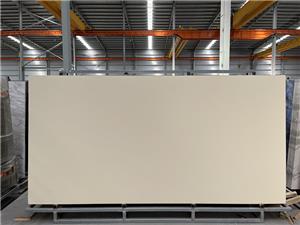
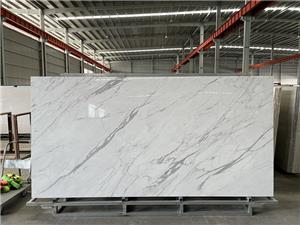
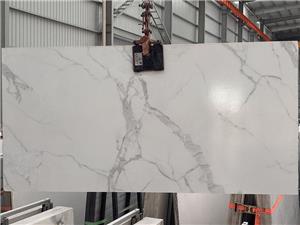
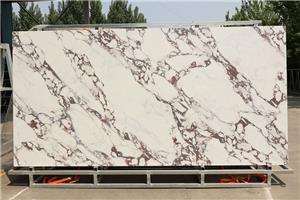
Material appearance is equally important. Contemporary interiors often favor surfaces that look substantial and authentic rather than excessively decorative. Marble-inspired patterns remain useful for premium furniture collections, while quiet grey, warm neutral, and concrete-inspired surfaces can support more understated interiors. The advantage of a sintered stone surface is that these visual directions can be incorporated into a furniture range without requiring the same design language to be repeated across every model.
Another important characteristic is visual restraint. A modern coffee table can have a strong presence without appearing heavy. Slimmer-looking tops, recessed or centralized bases, and carefully controlled proportions allow the material to remain the focal point. This is particularly useful when a collection needs to appeal across different living-room styles rather than being designed for one highly specific interior.
For a wholesale furniture range, these principles create a practical foundation. Instead of developing unrelated products, a collection can use a consistent material palette and design language while varying shape, size, and base construction.
From Soft Curves to Clean Geometry: Choosing the Right Shape
Shape is one of the first characteristics people notice when a coffee table enters a room, but its importance goes beyond appearance. The geometry determines how the table relates to the sofa, how people move around it, and how much visual weight it contributes to the seating area.
Oval designs are particularly effective when a living room needs a substantial tabletop without the harder visual effect of sharp corners. An elongated oval can work comfortably in front of a long sofa or sectional, providing useful surface area while maintaining a softer outline. It can also help create a sense of continuity when other furniture contains curved or rounded details.
Round tables create a different atmosphere. Because there is no dominant direction, they can work well in seating arrangements where chairs or sofas surround a central conversation area. In smaller rooms, a circular footprint can also make movement around the table feel more natural. A round tabletop paired with a central pedestal can produce an especially clean silhouette.
Square designs have a stronger architectural quality. They are often well suited to generous sectional sofas where a larger central surface is required. Their symmetrical geometry can reinforce orderly, contemporary interiors, particularly when the surrounding furniture follows similarly strong lines.
Rectangular forms remain useful where the sofa is significantly longer than the available seating depth. Their proportions can make efficient use of the space between a sofa and television wall, while their straightforward geometry makes them relatively easy to coordinate with existing furniture.
The right shape therefore depends less on which silhouette happens to be fashionable and more on the relationship between the table and the room. A collection that offers several geometries can accommodate a much wider range of living spaces without abandoning a coherent visual identity.
Surface Finishes That Change the Character of a Room
The surface is where the material begins to influence the atmosphere of the furniture. Two tables with identical dimensions can feel completely different when one uses a quiet matte grey surface and the other features a dramatic marble-inspired pattern.
Marble-look surfaces are particularly effective when the table is intended to occupy a more prominent position within an upscale interior. Veining can provide visual movement across an otherwise simple tabletop, allowing a relatively restrained base to support a more expressive overall design. The pattern should be considered in relation to the size and shape of the top, however. A surface that works beautifully on a large rectangular table may have a very different visual effect when cut into a small round piece.
White and pale neutral finishes create a lighter appearance and can work particularly well in contemporary interiors where the furniture is intended to blend into a bright palette. Grey surfaces offer greater visual neutrality and can sit comfortably alongside wood, fabric, metal, and darker architectural finishes.
Darker surfaces have a stronger presence. Black or deep charcoal tops can turn a relatively simple table into a focal point, especially when paired with a contrasting base. They can also help create a more sophisticated visual relationship with light-colored sofas and flooring.
Finish selection matters just as much as color. A polished surface can emphasize depth and pattern, while a matte or honed-looking finish tends to produce a quieter, more tactile appearance. The appropriate choice depends on the positioning of the furniture collection and the atmosphere it is intended to create.
For a coordinated range, consistency is more important than offering every possible option. A carefully selected group of surfaces can provide enough variety while allowing different table shapes and sizes to remain visually connected.
Finding the Right Proportion for Your Seating Area
A coffee table can be attractive on its own and still look wrong once it is placed in a living room. Proportion is what connects the individual piece to the furniture surrounding it.
The first consideration is the sofa. A table that is too short can appear disconnected from a long sectional, while an oversized piece can dominate a compact seating arrangement. The objective is to create a visual relationship in which the table has enough presence to serve the seating area without becoming an obstacle.
Height is equally important. The tabletop should relate comfortably to the seat height of the surrounding furniture. A very low table can reinforce a relaxed, contemporary composition, while a taller design may feel more appropriate in a more traditional or multifunctional setting. The difference is not simply numerical; the visual thickness of the top and the height of the base also influence how tall the furniture appears.
Clearance around the table should be considered at the design stage rather than after the furniture has been manufactured. People need enough room to move between the sofa, table, and other elements of the room. This is one reason an oval or round design can sometimes be more effective than a similarly sized rectangular table.
Visual weight matters as well. A thick stone surface supported by a solid base can make a table feel substantially larger than its measurements suggest. Conversely, a slim-looking top combined with a recessed or narrow base can create a lighter appearance.
For furniture collections, these relationships should be considered across multiple sizes. A successful range is not simply the same table scaled up and down. Each size needs to retain the correct relationship between tabletop, base, height, and intended seating arrangement.
What Matters When Ordering for a Larger Furniture Program
When a coffee table moves from a single sample into a larger furniture program, consistency becomes just as important as the original design.
The approved sample establishes the visual reference, but production needs to reproduce that reference across multiple units. Surface appearance, dimensions, edge finishing, base alignment, and overall assembly all contribute to whether the finished collection looks professional.
Material selection should therefore be considered at the collection level. If several table shapes use the same surface, the appearance needs to remain sufficiently consistent for the pieces to be presented as one range. Dimensional specifications should also be clearly defined before production begins, particularly when different models are intended to share a common design language.
Packaging deserves attention because coffee tables combine relatively substantial tabletops with supporting structures that can be vulnerable during transportation. A carefully designed package should protect the finished surfaces and structural components without creating unnecessary handling difficulties.
Order quantities and production schedules also need to be established around the actual furniture program. A small initial sample run and a larger production order may have very different requirements. Clear specifications, approved samples, and documented finishing details help reduce ambiguity when production volume increases.
For retailers, furniture brands, and project suppliers, these considerations are more useful than simply asking whether a table looks good in a showroom. The objective is to receive a consistent collection that can be presented, sold, and installed with confidence.
Custom Details That Give a Collection Its Own Identity
Customization becomes valuable when it contributes to the identity of the collection rather than simply adding superficial differences.
Changing the dimensions can make the same design suitable for different sofa configurations. Adjusting the shape can create a more distinctive silhouette while retaining a familiar surface palette. A different edge treatment can change the perceived thickness of the tabletop without requiring an entirely new visual concept.
The base provides another opportunity for differentiation. A collection can use a common sintered stone surface while introducing several base structures to create different price and style positions. Metal can produce a lighter contemporary appearance, while wood can introduce warmth and contrast. A pedestal design can simplify the silhouette and allow the tabletop to become the primary visual element.
Surface customization can be equally important. A furniture brand may want a particular marble-inspired pattern, neutral tone, or finish to complement its existing collection. When these choices are coordinated across several shapes, the result feels like a deliberate furniture range rather than a group of unrelated products.
Branding and packaging can then complete the commercial identity. For private-label programs, details such as labeling, packaging presentation, and coordinated product information can help the furniture arrive as part of an established collection.
The strongest customization programs begin with a clear design concept. Changing every specification simply because it can be changed usually creates unnecessary complexity. A smaller number of well-considered variations can produce a much stronger and more recognizable range.
Choosing the Right Collection for Your Market
There is no single coffee table collection that will suit every market. The most appropriate combination of shapes, surfaces, sizes, and construction depends on where the furniture will be sold and how customers are expected to use it.
A premium residential collection may benefit from expressive marble-inspired surfaces, sculptural bases, and distinctive silhouettes. The emphasis can be placed on visual identity and the ability of each piece to act as a focal point within a carefully designed interior.
A broader retail collection may require greater versatility. Neutral finishes, familiar shapes, and practical dimensions can make the furniture easier to integrate into different homes. In this situation, a coordinated range of oval, round, square, and rectangular pieces can provide variety without requiring an excessive number of unrelated designs.
Hospitality and contract applications introduce another set of priorities. Appearance remains important, but consistency, everyday maintenance, structural performance, packaging, and repeat availability become increasingly significant when multiple rooms or properties require the same furniture.
This is why developing a collection should begin with the intended market rather than with a random selection of attractive samples. The best-performing range is usually the one in which design decisions, dimensions, surfaces, construction, and production requirements all support the same commercial position.
For furniture companies looking for a modern stone-centered collection, sintered stone provides considerable flexibility across these different directions. Oval, round, square, and rectangular forms can share coordinated finishes, while variations in size and base design allow the range to serve different living-room environments.
In 2026, the opportunity is not simply to offer another coffee table with a stone-look surface. It is to develop a collection in which the material, shape, proportion, and finish work together as a coherent piece of furniture design. For wholesale programs, that same coherence needs to continue from the approved sample through production, packaging, and final delivery. When those elements are considered together, a sintered stone coffee table can become more than an individual furniture item: it can form a versatile foundation for a modern living-room collection.